
FITNESS AND WEIGHT LOSS BLOG
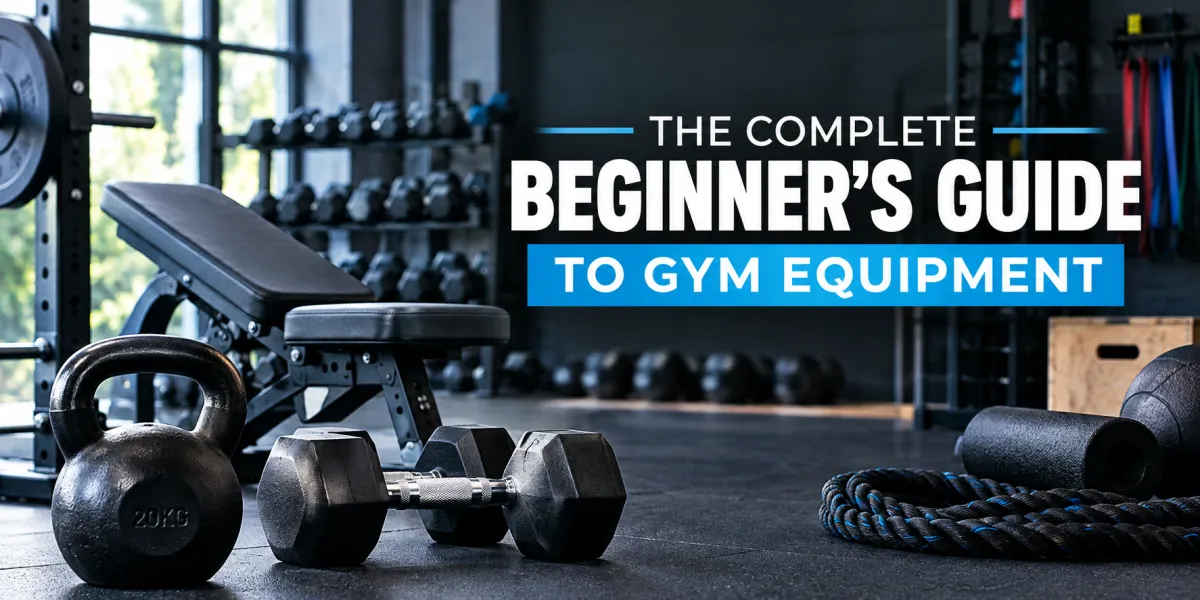
The Complete Beginner's Guide to Gym Equipment
Walking into a gym for the first time can feel like walking into a room where everyone else already knows the rules. There are rows of machines, racks of heavy metal, and people who seem to know exactly what they're doing. If you're wondering where to start, you're in good company.
This gym equipment guide breaks down what each piece of equipment does, who it's best for, and how to use it safely. Along the way, you'll find beginner gym tips that will help you feel comfortable from your very first workout.
How a Gym Is Usually Laid Out
Most gyms are divided into three zones:
- Cardio area: treadmills, bikes, ellipticals, and rowing machines.
- Machine area: guided strength machines for each muscle group.
- Free weight area: dumbbells, barbells, benches, and racks.
Knowing this makes any gym less intimidating. You don't need to use every zone on day one. Pick one, learn it well, and expand from there. If you're still choosing where to train, our guide to the top gyms in Mundelein can help.
Cardio Equipment
Cardio equipment raises your heart rate, improves endurance, and burns calories. It's also the easiest place to start because the machines are simple to operate.
Treadmill. The most familiar machine in any gym. Start with a brisk walk, and add a slight incline before you increase speed. Avoid holding the handrails the whole time, since it reduces the workout and can affect your posture.
Stationary bike. A low-impact option that's easy on the knees and joints. Set the seat so your leg is almost fully extended at the bottom of the pedal stroke.
Elliptical. Works your arms and legs together with minimal impact. Good for beginners who want to build stamina without joint stress.
Rowing machine. A full-body workout that uses your legs, back, and arms. Technique matters here. Drive with your legs first, then lean back slightly, then pull with your arms.
Stair climber. Excellent for legs and glutes, but tough at first. Start with short sessions of 5 to 10 minutes.
Strength Machines
For most new lifters, machines are the best place to build strength. They guide the movement, which lowers the risk of injury and helps you learn how each muscle feels when it works.
Leg press. Targets quads, glutes, and hamstrings. Keep your lower back flat against the pad and never lock your knees at the top.
Chest press machine. A safer alternative to the barbell bench press while you're learning. Adjust the seat so the handles are level with the middle of your chest.
Lat pulldown. Builds the muscles of your upper back. Pull the bar to your upper chest, and avoid leaning back excessively or swinging.
Seated row. Strengthens your back and improves posture. Squeeze your shoulder blades together at the end of each rep.
Shoulder press machine. Works the shoulders and triceps. Keep your core braced and don't arch your back.
Leg extension and leg curl. These isolate the quads and hamstrings. Use light weight and controlled movements.
Cable machine. One of the most versatile pieces in the gym. You can adjust the pulley height and swap attachments to train almost any muscle. Cables keep constant tension on the muscle, which makes them great for beginners.
Free Weights
Free weights take more coordination because nothing guides the movement for you. That's exactly why they build balance and stability so effectively.
Dumbbells. The best starting point in the free weight area. They're easy to adjust, and each arm works independently. Try goblet squats, dumbbell rows, and shoulder presses.
Barbell. A standard Olympic barbell weighs 45 lbs (20 kg) empty. Learn the movements with just the bar before adding plates. Squats, deadlifts, and bench presses are the classic barbell lifts.
Kettlebells. Useful for swings, goblet squats, and carries. They build power and grip strength.
Weight plates. Used with barbells and some machines. Always use collars (clips) on a barbell to keep the plates secure.
Benches, Racks, and Supporting Equipment
Flat, incline, and adjustable benches. Used for pressing and supported dumbbell work.
Squat rack or power rack. Holds the barbell at a safe height. The safety bars can catch the weight if you fail a rep, so set them correctly every time.
Smith machine. A barbell fixed on vertical rails. It offers stability, though it can force an unnatural movement path for some people.
Pull-up bar and assisted pull-up machine. The assisted machine lets you build toward bodyweight pull-ups by taking off part of your weight.
Resistance bands. Great for warm-ups, mobility work, and adding variety.
Foam roller and mats. Handy for stretching, core work, and recovery.
Beginner Gym Tips for Your First Weeks
Understanding the equipment is half the battle. These beginner gym tips cover the rest.
- Have a plan before you walk in. Wandering around leads to wasted time. Choose 5 to 6 exercises for the day and stick to them. A ready-made beginner workout plan takes the guesswork out.
- Start lighter than you think you need to. The first few weeks are about learning form. You can always add weight later.
- Warm up every time. Five to ten minutes of light cardio and dynamic stretches prepares your body and reduces injury risk.
- Prioritize form over weight. Poor technique with heavy weight is how most beginners get hurt. If you can't control the movement, lower the weight.
- Ask for help. Most gym staff and regulars are happy to explain a machine. Many gyms also offer a free orientation session with a trainer.
- Learn basic gym etiquette. Wipe down equipment after use, re-rack your weights, and don't hog a machine between sets when others are waiting.
- Track your workouts. Write down your exercises, weights, and reps. Progress is easier to keep going when you can see it.
- Rest and recover. Muscles grow during rest, not during the workout. Aim for two to four gym days per week when you're starting out, with rest days in between. Our guide to the best recovery routine after every workout explains how to get the most from your off days.
A Simple Full-Body Beginner Routine
Try this routine two or three times a week, with a rest day between sessions:
- 5 to 10 minutes of light cardio (treadmill or bike)
- Leg press: 3 sets of 10 to 12 reps
- Chest press machine: 3 sets of 10 to 12 reps
- Lat pulldown: 3 sets of 10 to 12 reps
- Shoulder press machine: 2 to 3 sets of 10 to 12 reps
- Plank: 3 holds of 20 to 30 seconds
- 5 minutes of stretching
Once these feel easy, increase the weight slightly or try the dumbbell versions of the same movements. Want more structure? See The Ultimate Fat Loss Gym Program for Beginners.
Common Beginner Mistakes to Avoid
- Skipping the warm-up
- Ego lifting (using too much weight to impress others)
- Doing the same routine forever without progressing
- Only training the muscles you can see in the mirror
- Comparing yourself to more experienced lifters
Final Thoughts
You don't need to master every machine to get results. Start with a few basics, learn proper form, and build your confidence session by session. Everyone in that gym was a beginner once, and the most important step is simply showing up.
Bookmark this gym equipment guide and come back to it whenever you want to try something new. Consistency will take you further than any piece of equipment.
Ready to start? Pick three machines from this guide, try them at your next session, and see how they feel.
Disclaimer: This article is for general information only. If you have an injury or medical condition, check with a doctor before starting a new exercise program.

START YOUR TRANSFORMATION TODAY
Ready To Jumpstart Your Journey Today?
Click The Button Below To Learn More!

300 Washington Blvd
Mundelein, Illinois 60060


© 2026 Game Changing Performance
300 Washington Blvd
Mundelein, Illinois 60060
© 2026 Game Changing Performance