
The Best Recovery Routine After Every Workout
Every workout challenges your body to become stronger, faster, and more resilient. Whether you're lifting weights, training for a sport, improving your speed, or simply staying active, what you do after your workout is just as important as the workout itself.
Many athletes and fitness enthusiasts focus entirely on training harder while overlooking one critical factor, workout recovery. Without proper recovery, your muscles don't repair efficiently, fatigue accumulates, performance declines, and your risk of injury increases.
The good news? You don't need expensive equipment or complicated recovery methods. A consistent post-workout routine built around proven recovery habits can dramatically improve how you feel and perform.
Here's the complete recovery routine our coaches recommend to help you recover faster, reduce soreness, and get the most out of every training session.
Why Workout Recovery Matters
Exercise creates microscopic damage to muscle fibers. This process is completely normal—and necessary for building strength and endurance. Recovery is when your body repairs those tissues, replenishes energy stores, and adapts to training.
Skipping recovery can lead to:
Persistent muscle soreness
Reduced athletic performance
Increased fatigue
Poor mobility
Greater injury risk
Slower strength gains
Mental burnout
On the other hand, prioritizing recovery allows you to train consistently while improving long-term results.
Step 1: Cool Down Instead of Stopping Suddenly
Many people finish their workout and immediately sit down or head home. Instead, spend five to ten minutes gradually lowering your heart rate.
An effective cool-down may include:
Light walking
Easy cycling
Slow jogging
Controlled breathing exercises
This helps your body transition back to a resting state while improving circulation and reducing stiffness.
Step 2: Rehydrate Immediately
Sweating causes fluid and electrolyte loss that must be replaced.
Even mild dehydration can negatively affect:
Muscle function
Recovery speed
Energy levels
Concentration
Future workout performance
Drink water immediately after training and continue hydrating throughout the day.
If you've completed a long, intense workout lasting over an hour, consider beverages that replace electrolytes as well.
Recovery Tip: Don't wait until you're thirsty. Hydration should be an ongoing habit.
Step 3: Eat a Recovery Meal Within Two Hours
Nutrition plays one of the biggest roles in workout recovery.
Your body needs two primary nutrients:
Protein
Protein repairs damaged muscle tissue and supports muscle growth.
Excellent choices include:
Chicken
Turkey
Fish
Eggs
Greek yogurt
Cottage cheese
Protein shakes
Tofu
Aim for approximately 20–40 grams of protein after most workouts.
Carbohydrates
Carbohydrates replenish glycogen—the fuel your muscles use during exercise.
Good options include:
Rice
Sweet potatoes
Oats
Whole-grain bread
Fruit
Quinoa
Combining protein and carbohydrates creates an ideal post-workout meal.
Example meals:
Grilled chicken with rice
Greek yogurt with berries
Protein smoothie with banana
Eggs and whole-grain toast
Step 4: Stretch the Right Way
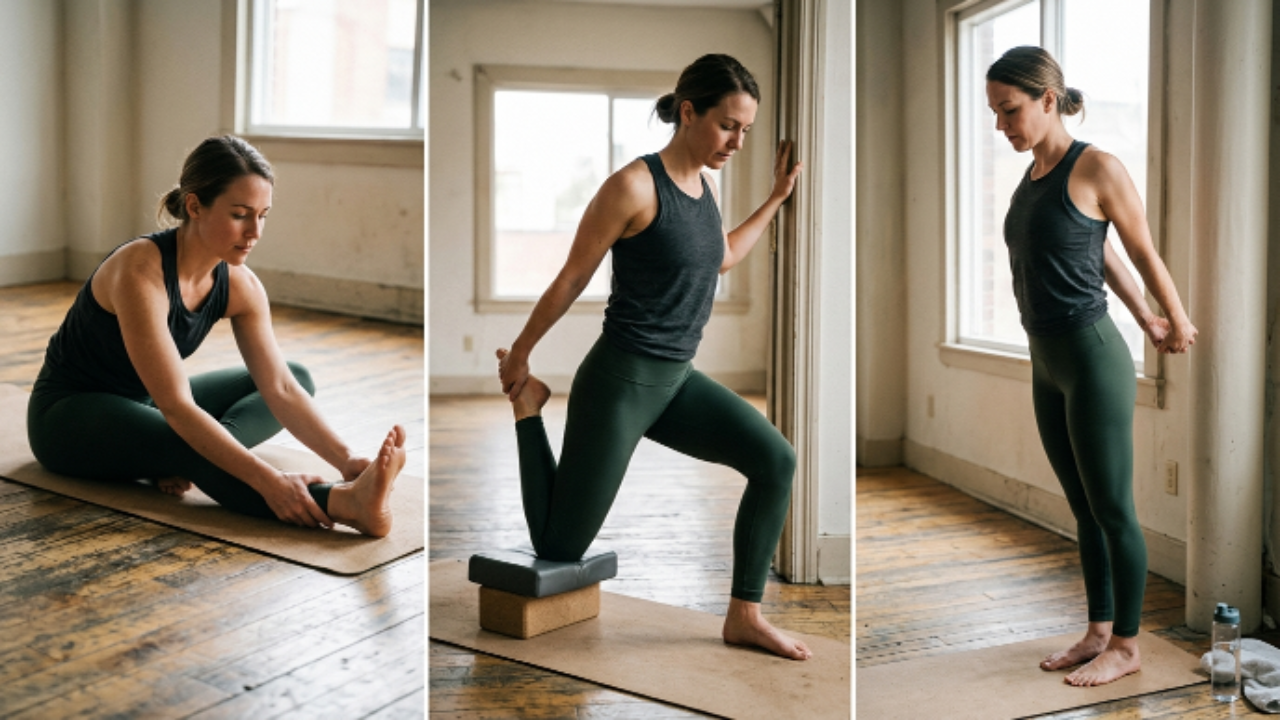
Stretching won't eliminate soreness overnight, but it can improve flexibility and reduce muscle tightness.
Focus on the muscles you trained.
Hold each stretch for 20–30 seconds without bouncing.
Examples include:
Hamstring stretch
Hip flexor stretch
Quad stretch
Chest stretch
Shoulder stretch
Calf stretch
Gentle stretching encourages relaxation and helps restore normal movement patterns.
Step 5: Use Active Recovery
Recovery doesn't always mean complete rest.
Active recovery involves low-intensity movement that promotes circulation without placing additional stress on your body.
Examples include:
Walking
Easy swimming
Cycling
Yoga
Mobility exercises
Active recovery often reduces stiffness more effectively than spending the entire day inactive.
Step 6: Prioritize Quality Sleep
Sleep is where the majority of physical recovery actually happens.
During deep sleep, your body:
Repairs muscle tissue
Releases growth hormone
Reduces inflammation
Supports immune function
Restores energy
Adults should aim for seven to nine hours of quality sleep each night.
If you're training intensely multiple times per week, sleep becomes even more important.
Poor sleep can limit recovery even if your nutrition and workouts are excellent.
Step 7: Foam Roll Tight Muscles
Foam rolling has become a popular recovery tool for athletes of all levels.
Benefits include:
Reduced muscle tightness
Improved mobility
Better blood flow
Temporary soreness relief
Spend 30–60 seconds rolling each major muscle group, especially areas that feel tight.
Focus on:
Quadriceps
Glutes
Hamstrings
Calves
Upper back
IT band (gently)
Foam rolling shouldn't be extremely painful. Slow, controlled pressure works best.
Step 8: Listen to Your Body
One of the best muscle recovery tips is surprisingly simple—pay attention to how you feel.
Some soreness is normal.
Sharp pain isn't.
Warning signs that you need additional recovery include:
Constant fatigue
Decreasing performance
Poor motivation
Lingering soreness
Trouble sleeping
Elevated resting heart rate
Ignoring these symptoms can lead to overtraining and injuries.
Rest days are part of the training process—not a setback.
Step 9: Include Mobility Work Weekly
Recovery isn't only something you do after workouts.
Adding mobility sessions throughout the week helps improve movement quality and reduces stiffness before it becomes a problem.
Focus on:
Hip mobility
Shoulder mobility
Thoracic spine rotation
Ankle flexibility
Core stability
Even 10–15 minutes several times per week can improve movement and reduce injury risk.
Step 10: Manage Stress
Physical training is only one type of stress.
Work, school, family responsibilities, and poor sleep all contribute to your body's total stress load.
High stress slows recovery and can increase inflammation.
Simple recovery habits include:
Deep breathing
Walking outdoors
Meditation
Reading
Spending time with family
Limiting screen time before bed
A healthy mind supports a healthy body.
Recovery Habits That Make the Biggest Difference
Consistency matters more than perfection.
Instead of searching for miracle recovery techniques, build these habits into every training week:
Stay hydrated daily.
Eat enough protein.
Prioritize quality sleep.
Stretch after workouts.
Take scheduled rest days.
Foam roll regularly.
Maintain good mobility.
Listen to your body's signals.
These small actions compound over time and lead to better performance.
Recovery Mistakes to Avoid
Many athletes unknowingly slow their recovery by making these common mistakes.
Skipping Meals
Without proper nutrition, muscle repair is delayed.
Not Drinking Enough Water
Dehydration impacts nearly every recovery process.
Training Hard Every Day
More workouts don't always equal better results.
Your body needs time to adapt.
Ignoring Pain
Pain should never be pushed through blindly.
Address small issues before they become major injuries.
Sacrificing Sleep
No supplement can replace quality sleep.
Recovery begins every night.
When Recovery Should Become a Priority
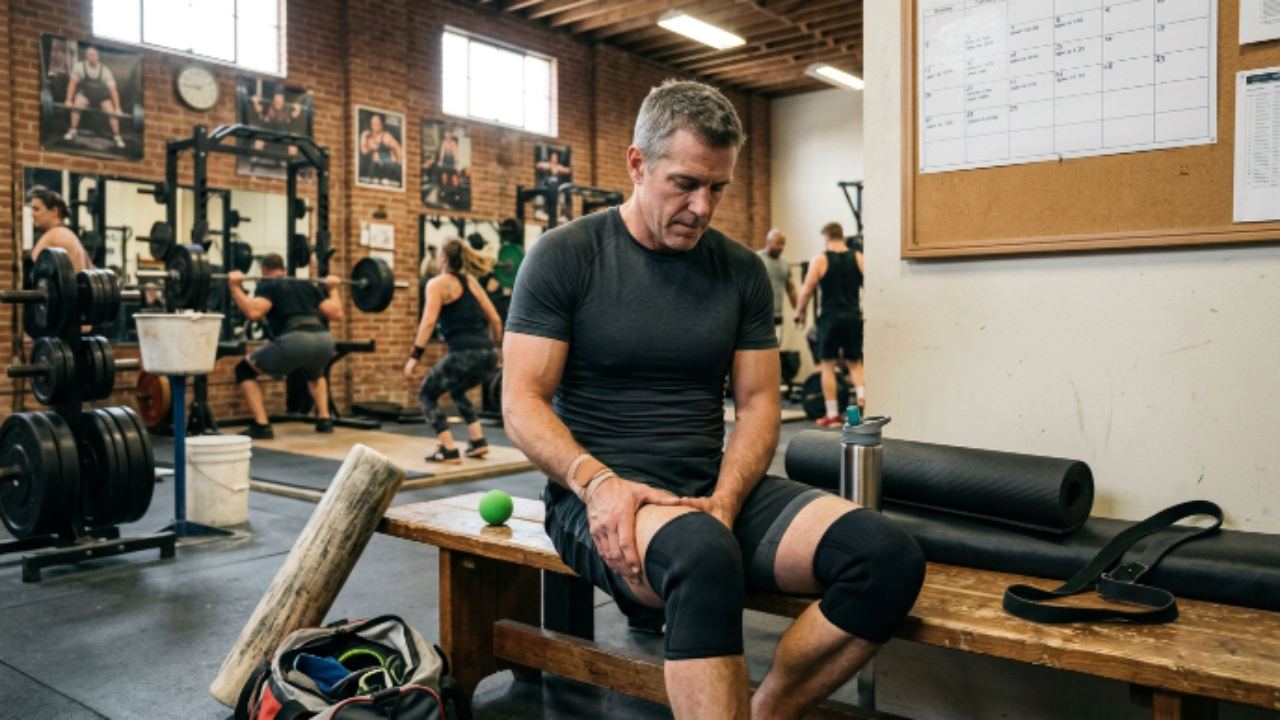
Recovery deserves even more attention if you:
Train four or more days each week
Play competitive sports
Lift heavy weights
Participate in speed or agility training
Are over age 40
Are returning from an injury
Frequently experience muscle soreness
As training intensity increases, recovery becomes increasingly important.
Recovery Is Part of Performance
Many athletes believe improvement only happens during workouts.
In reality, workouts provide the stimulus—but recovery creates the adaptation.
When you consistently practice good recovery habits, you'll notice:
More energy during workouts
Better athletic performance
Reduced soreness
Improved mobility
Lower injury risk
Greater strength gains
Better long-term consistency
The athletes who recover well are often the athletes who improve the fastest.
Train Hard. Recover Smarter.
At Game Changing Performance, we believe performance isn't built through workouts alone. Smart recovery, individualized coaching, and proper training all work together to help athletes reach their full potential.
Whether you're training for sports, improving overall fitness, or developing strength and speed, a structured recovery routine allows you to keep progressing while staying healthy.
Recovery isn't taking time away from your goals it's one of the fastest ways to achieve them.
Frequently Asked Questions
How long should a workout recovery routine take?
Most recovery routines take between 15 and 30 minutes immediately after training. Long-term recovery also includes proper nutrition, hydration, and quality sleep throughout the day.
What is the most important part of workout recovery?
Sleep, hydration, and proper nutrition are the three most important factors. Together, they help repair muscles, restore energy, and prepare your body for future workouts.
Should I stretch before or after exercising?
Dynamic stretching is best before workouts, while static stretching is generally more effective after exercise when your muscles are warm.
Is foam rolling necessary?
Foam rolling isn't required, but many athletes find it helpful for reducing muscle tightness and improving mobility after intense workouts.
How many rest days should I take each week?
Most active individuals benefit from at least one to two recovery days per week, depending on their training intensity and goals.
Can I work out when I'm sore?
Mild soreness is usually okay, especially if you perform lighter activities or train different muscle groups. Severe soreness or pain may indicate you need additional recovery.