
The Ultimate Fat Loss Gym Program for Beginners | Game Changing Performance
Starting a fat loss journey can feel overwhelming, especially if you’re new to the gym. With countless workout routines, diet plans, and fitness advice online, knowing where to start can be confusing. That’s why a structured fat loss gym program is essential for beginners who want to achieve sustainable results without feeling lost or discouraged.
In this guide, we’ll break down everything you need to know about starting your fat loss journey, from designing your workouts and understanding nutrition to tracking progress and staying motivated.
Start Your Fat Loss Journey Today
Understanding Fat Loss
Before diving into a gym program, it’s important to understand how fat loss actually works. Fat loss occurs when your body burns more calories than it consumes. This creates a calorie deficit, forcing your body to use stored fat as energy. While exercise plays a significant role, nutrition, sleep, and stress management are equally important.
Key principles of fat loss:
Calorie deficit: Burn more calories than you consume.
Strength training: Preserves lean muscle while losing fat.
Cardiovascular exercise: Boosts calorie burn and heart health.
Consistency: Small, sustainable habits create long-term results.
Designing Your Fat Loss Gym Program
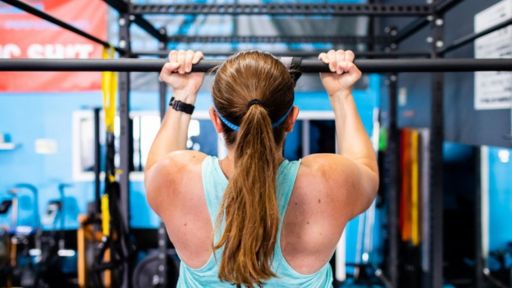
A beginner-friendly fat loss gym program should balance strength training and cardiovascular exercise while allowing your body to recover. Here’s a breakdown of how to structure your workouts:
1. Strength Training
Strength training is crucial for fat loss because it helps maintain lean muscle, which boosts metabolism and promotes a toned appearance. Beginners should focus on compound movements that work multiple muscle groups.
Key exercises to include:
Squats
Deadlifts
Bench press
Rows
Shoulder press
Pull-ups or assisted pull-ups
Beginner program structure:
Frequency: 3 days per week
Sets/Reps: 3 sets of 10–12 reps
Rest: 60–90 seconds between sets
Strength training not only burns calories during your workouts but also increases post-workout calorie burn through a process called excess post-exercise oxygen consumption (EPOC).
2. Cardiovascular Exercise
Cardio helps increase calorie expenditure and improve cardiovascular health. For beginners, start with moderate-intensity cardio and gradually progress.
Recommended cardio exercises:
Brisk walking or jogging
Cycling
Elliptical machine
Swimming
Rowing
Sample cardio routine:
20–30 minutes per session
2–3 times per week
Option to combine with high-intensity interval training (HIIT) once you build endurance
HIIT can accelerate fat loss by alternating periods of high-intensity effort with short rest periods, which keeps your metabolism elevated even after the workout.
3. Combining Strength and Cardio
For optimal fat loss, combine strength and cardio workouts. This approach prevents muscle loss, increases calorie burn, and enhances overall fitness.
Sample weekly plan:
Monday: Full-body strength training
Tuesday: 20–30 min moderate cardio
Wednesday: Rest or active recovery (yoga, walking)
Thursday: Full-body strength training
Friday: 20–30 min HIIT cardio
Saturday: Optional light cardio or recreational activity
Sunday: Rest
Consistency is key, stick to your routine, track your workouts, and adjust intensity gradually.
Nutrition for Fat Loss
Exercise alone isn’t enough for fat loss. Nutrition plays a major role in determining results. A beginner-friendly fat loss diet focuses on creating a slight calorie deficit while providing enough nutrients to support workouts.
1. Calculate Your Calorie Needs
Start by estimating your daily calorie needs based on age, weight, activity level, and goals. Reduce your daily intake by 300–500 calories to promote steady fat loss without compromising energy.
2. Prioritize Protein
Protein helps preserve muscle during fat loss and keeps you full longer. Include lean sources such as:
Chicken breast
Turkey
Fish
Eggs
Greek yogurt
Legumes
Aim for 0.8–1.2 grams of protein per pound of body weight per day.
3. Include Healthy Fats and Carbohydrates
Healthy fats: Avocados, nuts, olive oil, fatty fish
Complex carbs: Oats, brown rice, quinoa, vegetables
These provide energy for workouts and support overall health. Avoid extreme dieting or cutting entire macronutrient groups.
4. Hydration and Meal Timing
Drink plenty of water throughout the day. Eating smaller, balanced meals every 3–4 hours can help maintain energy levels and prevent overeating.
Tracking Progress
Monitoring progress is crucial for staying motivated and adjusting your fat loss gym program as needed.
Ways to track progress:
Body measurements: Waist, hips, chest, arms, and legs
Body composition: Use a scale or calipers to measure body fat percentage
Workout logs: Track weights, sets, and reps
Photos: Take weekly progress photos to visualize changes
Remember, fat loss is gradual. Aim for 1–2 pounds per week for sustainable results.
Tips for Beginners
Start slow: Avoid jumping into high-intensity workouts immediately. Build a foundation first.
Focus on form: Proper technique prevents injuries and ensures maximum results.
Rest and recover: Sleep 7–9 hours per night and allow muscles to recover.
Stay consistent: Consistency beats intensity when you’re starting out.
Celebrate small wins: Track progress and reward milestones to stay motivated.
Common Mistakes to Avoid
Relying solely on cardio: Strength training is essential for preserving muscle.
Skipping meals: Can slow metabolism and cause energy crashes.
Expecting rapid results: Sustainable fat loss takes time.
Neglecting recovery: Overtraining leads to injuries and burnout.
Ignoring nutrition: Exercise alone won’t compensate for poor eating habits.
Supplements: Optional, Not Required
While not essential, some beginners may consider supplements to support fat loss:
Protein powder: Helps meet daily protein needs
Multivitamins: Ensure nutrient adequacy
Creatine: Supports strength and muscle preservation
Caffeine: Can improve workout performance
Always consult a healthcare provider before starting any supplement regimen.
Mindset for Fat Loss Success
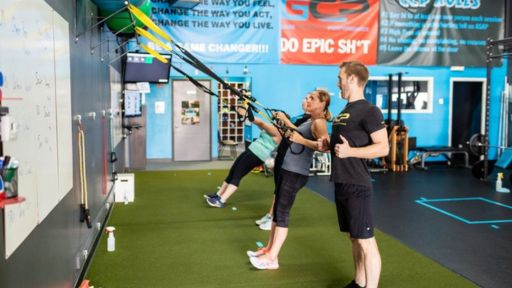
Your mindset is just as important as your workouts and nutrition. Approach fat loss as a lifestyle change rather than a temporary challenge. Adopt habits that are realistic, enjoyable, and sustainable.
Set SMART goals: Specific, Measurable, Achievable, Relevant, Time-bound
Track non-scale victories: Strength gains, energy levels, clothing fit
Build a support system: Workout partners or online communities keep motivation high
Beginner-Friendly Sample Fat Loss Gym Program
Here’s a structured example for beginners:
Day 1 – Full Body Strength
Squats – 3x12
Push-ups – 3x10
Bent-over rows – 3x12
Dumbbell shoulder press – 3x12
Plank – 3x30 seconds
Day 2 – Cardio
20–30 min brisk walking or cycling
Day 3 – Rest
Day 4 – Full Body Strength
Deadlifts – 3x12
Bench press – 3x12
Lat pulldown – 3x12
Dumbbell lunges – 3x12
Bicycle crunches – 3x20
Day 5 – HIIT Cardio
30 seconds sprint / 60 seconds walk x 10 rounds
Day 6 – Optional Light Activity
Yoga, swimming, or walking
Day 7 – Rest
Adjust weights and intensity as you progress. Consistency over time is what drives results.
Get a Personalized Workout Plan
FAQs
1. How long does it take to see results with a fat loss gym program?
Results vary, but beginners typically notice changes in 4–6 weeks with consistent exercise and proper nutrition.
2. Should I do cardio or strength training first?
For fat loss, start with strength training when your energy is highest, then add cardio afterward or on separate days.
3. Can I lose fat without dieting?
Exercise helps, but nutrition is key. A calorie deficit is necessary for fat loss.
4. How many days per week should I train?
Beginners should aim for 3–5 days, balancing strength, cardio, and rest days.
5. Is it normal to feel sore after workouts?
Yes, mild soreness is common. It usually decreases as your body adapts to training.