
FITNESS AND WEIGHT LOSS BLOG
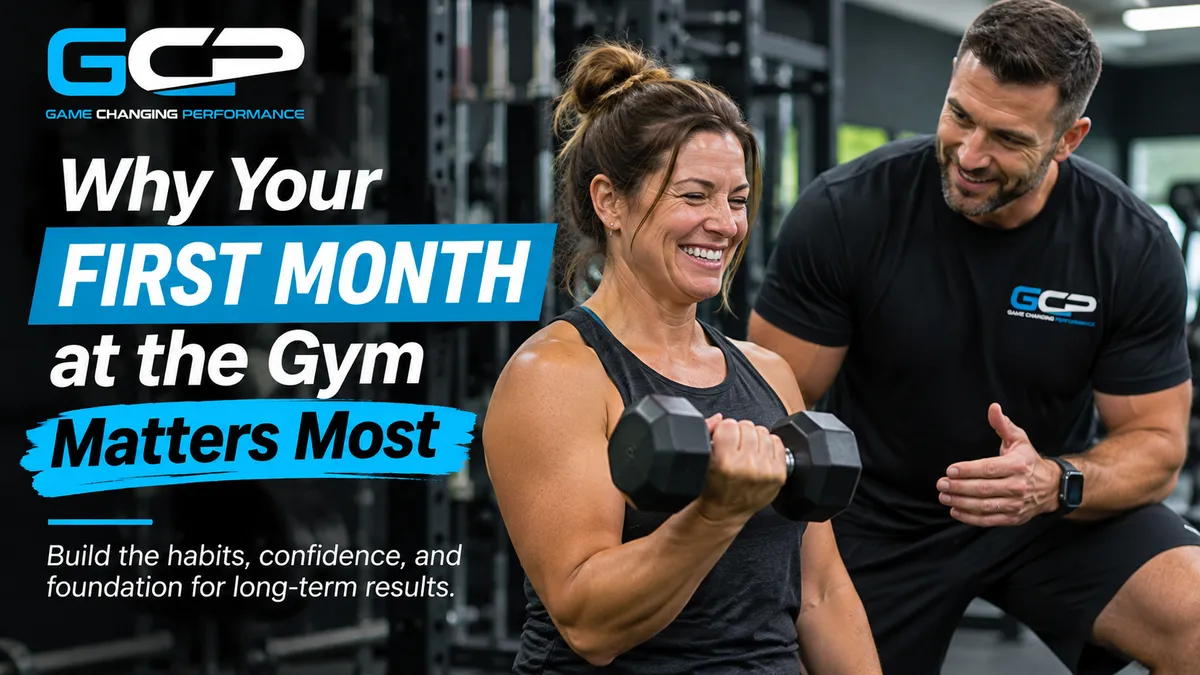
Why Your First Month at the Gym Matters Most
Walking into a gym for the first time can feel exciting, intimidating, and a little overwhelming. You want to get stronger, improve your fitness, and start seeing results. But with unfamiliar equipment, different workout styles, and so much advice online, knowing where to begin isn't always easy.
Here's the good news: your first month at the gym isn't about being perfect. It's about building habits you can maintain.
The first 30 days give you an opportunity to learn proper exercise techniques, discover what you enjoy, establish a realistic schedule, and build confidence in your workouts. Rather than chasing dramatic changes immediately, focus on creating a routine that fits your life.
At Game Changing Performance, we believe fitness should help you become stronger, more confident, and more capable over time. Here's how to make your first month at the gym count.
Why Is Your First Month at the Gym So Important?
Your first month lays the foundation for your future training. The habits you establish now can influence how consistently you exercise, how confidently you approach new movements, and how you respond when progress feels slow.
1. You Start Building a Consistent Routine
Motivation can help you get started, but a repeatable schedule helps you keep going.
During your first month, focus on identifying workout days that fit your work, family, and personal commitments. Three manageable sessions each week may be more sustainable than trying to train every day.
The goal is to make exercise a regular part of your lifestyle rather than something you do only when motivation strikes.
2. You Learn Proper Exercise Technique
The gym is a place to learn, not a place to prove how much weight you can lift.
Learning the basics of squats, presses, rows, and other fundamental movements helps you train with greater control. Start with manageable resistance and focus on technique before increasing the difficulty.
If you're unfamiliar with an exercise, ask a qualified trainer to demonstrate it and help you adjust it to your ability.
3. You Build Confidence Around Equipment
At first, unfamiliar machines, free weights, and gym layouts can feel confusing. Repeated visits make the environment more familiar.
Start by learning a few pieces of equipment and gradually expand your routine. You don't need to use every machine or try every class during your first week.
Small wins, such as completing a workout independently or learning a new movement, help build confidence.
4. You Establish Realistic Expectations
Fitness improvements don't happen on the same timeline for everyone.
During your first month, you may notice that exercises feel easier, your coordination improves, or you're becoming more comfortable with your routine. Visible body-composition changes may take longer and depend on factors such as nutrition, sleep, training, and individual circumstances.
Focus on the behaviors you can control instead of judging your success by the scale alone.
5. You Discover What Keeps You Engaged
The best fitness routine is one you're willing to repeat.
Some people enjoy independent strength training. Others prefer coach-led sessions, group workouts, or a combination of different activities.
Your first month is an opportunity to experiment with suitable training options and identify what makes exercise enjoyable enough to maintain.
Your First Month at the Gym: A Week-by-Week Guide
You don't need an advanced program to get started. Use this four-week framework to build familiarity, consistency, and confidence.
Week 1: Learn the Basics
Your goal: Get comfortable showing up.
Your first week should focus on learning rather than pushing your limits.
Start with two or three manageable sessions, depending on your current fitness level and schedule. Each session can include a short warm-up, a few basic strength exercises, and some easy cardiovascular activity.
A beginner session might include:
Five minutes of easy walking or cycling.
A supported squat or sit-to-stand movement.
A basic pulling exercise, such as a seated row.
A manageable pushing exercise, such as a machine chest press.
A simple core exercise.
A few minutes of easy movement to finish.
Use light resistance and learn how each movement feels. Ask for help when you need it.
Remember: Leaving the gym feeling like you could have done a little more is often better than exhausting yourself during your first visit.
Week 2: Create a Repeatable Schedule
Your goal: Turn gym visits into a habit.
By your second week, try to repeat a schedule that fits your lifestyle.
If you trained on Monday and Thursday during the first week and recovered well, you might continue with those days or add another manageable session.
Keep your exercise selection relatively simple. Repeating familiar movements allows you to practice your technique and recognize improvements.
Try these habits:
Schedule your workouts in advance.
Pack your gym bag the night before.
Choose a realistic workout duration.
Record the exercises you complete.
Allow time for rest and recovery.
Consistency is more important than creating a complicated plan you struggle to follow.
Week 3: Build Strength and Control
Your goal: Make gradual, manageable progress.
Once the basic movements feel more familiar, you can begin progressing carefully.
Depending on your ability, progress may mean performing another repetition, improving your technique, adding a small amount of resistance, or completing your workout with better control.
You don't need to increase every exercise at once.
For example, if you performed two sets of eight controlled repetitions on a machine chest press, you might work toward two sets of nine or ten repetitions before considering a small increase in weight.
Progress should feel manageable. If your technique deteriorates or an exercise causes pain, reduce the difficulty and seek guidance when needed.
Week 4: Review Your Progress and Plan Ahead
Your goal: Decide how to keep moving forward.
At the end of the first month, take a few minutes to review your progress.
Ask yourself:
How many planned workouts did I complete?
Which exercises feel more familiar?
Is my schedule realistic?
What makes it easier or harder to attend?
What would I like to improve over the next month?
Your answers can help you adjust your routine rather than starting over every few weeks.
You don't need a dramatic transformation to finish your first month successfully. Learning, showing up, and establishing a workable routine are meaningful achievements.
How Many Days Should Beginners Go to the Gym?
For many beginners, two to three gym sessions per week can be a practical starting point, particularly when sessions include full-body strength training and sufficient recovery.
Your ideal schedule depends on your experience, health, current activity level, and available time.
Experience or schedule | Possible starting approach |
Completely new to exercise | Two manageable sessions per week |
Returning after a long break | Two or three sessions per week |
Already active outside the gym | Two or three gym sessions alongside existing activity |
Busy work or family schedule | Shorter sessions on consistent days |
These are starting examples, not fixed rules. You can adjust your schedule as your fitness and recovery improve.
The CDC's physical activity guidelines recommend that adults work toward at least 150 minutes of moderate-intensity aerobic activity per week and muscle-strengthening activities on at least two days per week. Beginners can build toward these targets gradually.
For a more detailed look at scheduling, read our guide on How Often Should You Work Out Each Week?.
7 Common Beginner Gym Mistakes to Avoid
Your first month is a learning period. Avoiding these common mistakes can help make the experience more manageable.
1. Doing Too Much Too Soon
Starting with daily workouts, heavy weights, and intense cardio can leave you excessively sore or exhausted.
Begin with a manageable workload and increase it gradually. You can always add more as your body adapts.
2. Comparing Yourself to Experienced Gym Members
Everyone starts somewhere. Someone lifting heavier weights or completing more repetitions may have years of experience behind them.
Compare your current performance with your own previous efforts, not someone else's progress.
3. Ignoring Exercise Technique
Moving quickly or lifting too much can make exercises harder to control.
Use a resistance level that allows you to maintain good technique, and ask a qualified trainer for help when needed.
4. Changing Your Workout Every Session
Trying something new can be fun, but constantly replacing exercises makes it harder to practice movements and track progress.
Choose a manageable routine and repeat it long enough to become familiar with the exercises.
5. Expecting Immediate Visible Results
Your first month is an opportunity to establish a foundation. Changes in strength, endurance, body composition, and appearance occur at different rates.
Track attendance, exercise performance, and how manageable your routine feels alongside any physical changes.
6. Neglecting Sleep and Recovery
Training is only one part of a successful fitness routine. Sleep, nutrition, hydration, and recovery also matter.
Allow adequate recovery between demanding sessions and adjust your workload if you're struggling to recover.
7. Trying to Do Everything Alone
You can learn independently, but you don't have to figure everything out by yourself.
A qualified coach can help you understand exercise technique, choose appropriate movements, and create a realistic progression plan.
Explore our article on The Benefits of Hiring a Coach Instead of Working Out Alone to learn more.
How to Track Progress During Your First Month
Progress isn't limited to changes in body weight. Your first month offers several useful ways to measure whether your routine is working.
Track Workout Consistency
Record each workout you complete. If your goal is to train three days per week, tracking attendance helps you see whether your schedule is realistic.
Record Exercises and Repetitions
Write down the exercises, resistance levels, and repetitions you perform. Over time, these notes can help you identify improvements and plan your next steps.
Notice Changes in Exercise Confidence
Are you more comfortable adjusting a machine? Can you follow your workout without feeling lost? Do movements feel more controlled?
These improvements matter because they can make it easier to continue training.
Pay Attention to Recovery
Notice how you feel between workouts. Persistent exhaustion or soreness may indicate that your routine needs adjustment.
Review Your Goals Monthly
Choose goals that reflect your priorities. You might want to become stronger, improve cardiovascular fitness, increase daily activity, or establish a regular exercise habit.
For more ideas, read our guide on How to Track Progress for Maximum Fitness Results.
How a Personal Trainer Can Help You Get Started
Starting at the gym can feel much easier when you have a clear plan.
A qualified personal trainer can help you identify suitable exercises, learn equipment safely, adjust training intensity, and build a schedule that fits your lifestyle.
Coaching can also provide accountability. When you have a structured plan and someone helping you review your progress, you may find it easier to stay consistent and make adjustments when life gets busy.
At Game Changing Performance, the goal is to help you train with purpose and develop habits that support your long-term fitness goals.
If you prefer exercising alongside other people, you can also explore the benefits of small-group training versus solo workouts.
The right option depends on your preferences, goals, and the type of support you need.
Frequently Asked Questions About Your First Month at the Gym
1. What should I do during my first month at the gym?
Focus on learning basic exercises, becoming familiar with equipment, establishing a consistent schedule, and practicing proper technique. Start with manageable sessions and increase the difficulty gradually as your fitness improves.
2. Is three days a week enough at the gym for beginners?
Three days per week can be a reasonable starting schedule for many beginners. Full-body strength sessions combined with appropriate cardiovascular activity can help you build a balanced routine. Your ideal frequency depends on your current fitness, recovery, and goals.
3. Will I see results after one month at the gym?
You may notice improvements in exercise technique, coordination, workout confidence, or strength performance during your first month. Visible changes vary from person to person, so focus on consistent training and measurable progress rather than expecting a particular physical transformation.
4. Should beginners do cardio or strength training first?
It depends on your goals and the workout you're completing. A short, easy warm-up can prepare you for strength training. You can then include cardio based on your fitness goals and available time. A balanced routine generally benefits from both cardiovascular and muscle-strengthening activity.
5. How long should a beginner spend at the gym?
Many beginners can start with sessions lasting around 30–45 minutes, including a warm-up, exercise time, and appropriate rest. Shorter sessions can also be useful. Choose a duration you can maintain consistently rather than staying longer simply to do more.
6. Is it normal to feel sore after your first gym workout?
Mild muscle soreness can occur after unfamiliar exercise, particularly when you begin strength training. However, severe pain, significant swelling, unusual weakness, or symptoms that concern you should not be ignored. Reduce your training demands as needed and seek medical advice for concerning symptoms.
7. Should I hire a personal trainer for my first month?
A personal trainer can help you learn technique, choose appropriate exercises, and build a structured plan. Coaching may be especially helpful if you're unfamiliar with gym equipment or want more accountability. It isn't mandatory, but qualified guidance can make getting started easier.
8. What should I eat during my first month at the gym?
Aim for balanced meals that provide protein, carbohydrates, healthy fats, and a variety of fruits and vegetables. Your individual needs depend on your goals, activity level, and health. You don't need an extreme diet to begin building healthier fitness habits.
9. What if I miss a workout during my first month?
One missed workout doesn't undo your progress. Return to your regular schedule at the next opportunity instead of trying to compensate with an exhausting session. Consistency over time matters more than completing every workout perfectly.
10. How do I stay motivated after the first month?
Set realistic goals, schedule workouts in advance, track small improvements, and choose activities you enjoy. If you struggle to stay consistent, consider a structured program, a training partner, or professional coaching to help you stay accountable.
Make Your First Month the Start of Something Bigger
Your first month at the gym is about much more than completing workouts. It's an opportunity to build confidence, learn the fundamentals, and establish habits that can support your fitness journey for years to come.
Start with manageable goals. Learn the movements. Show up consistently. Give yourself room to improve.
You don't need to be the strongest person in the gym or have every detail figured out on day one. You simply need a starting point and a plan you can follow.
Ready to make your first month count?
Explore Game Changing Performance to discover our training options and take the next step toward your fitness goals. Connect with our team to discuss a structured approach that fits your schedule, experience, and ambitions.
Start strong. Stay consistent. Keep changing the game.

START YOUR TRANSFORMATION TODAY
Ready To Jumpstart Your Journey Today?
Click The Button Below To Learn More!

300 Washington Blvd
Mundelein, Illinois 60060


© 2026 Game Changing Performance
300 Washington Blvd
Mundelein, Illinois 60060
© 2026 Game Changing Performance