
How to Track Progress for Maximum Fitness Results | Game Changing Performance
When it comes to achieving your fitness goals, one of the biggest mistakes people make is relying solely on the scale. While weight can be one indicator, it doesn’t tell the full story of your progress. To truly maximize results, you need a strategic approach to tracking your performance, body composition, and overall improvements.
At Game Changing Performance, success isn’t just about working out harder, it’s about working smarter. By using proper performance tracking methods and tools like a body composition test, you can gain accurate insights and stay motivated throughout your journey.
In this guide, we’ll break down the most effective ways to track your progress and ensure you’re consistently moving toward your fitness goals.
Why Tracking Fitness Progress Is Essential
Tracking progress is the foundation of any successful fitness program. Without measurable data, it’s difficult to know whether your workouts and nutrition plan are actually working.
Here’s why tracking matters:
Provides measurable proof of progress
Helps identify what’s working (and what isn’t)
Keeps you motivated and accountable
Allows for smarter adjustments to your program
Most importantly, tracking ensures that your efforts align with your long-term fitness goals, whether that’s fat loss, muscle gain, improved endurance, or overall health.
Understanding Different Types of Fitness Progress
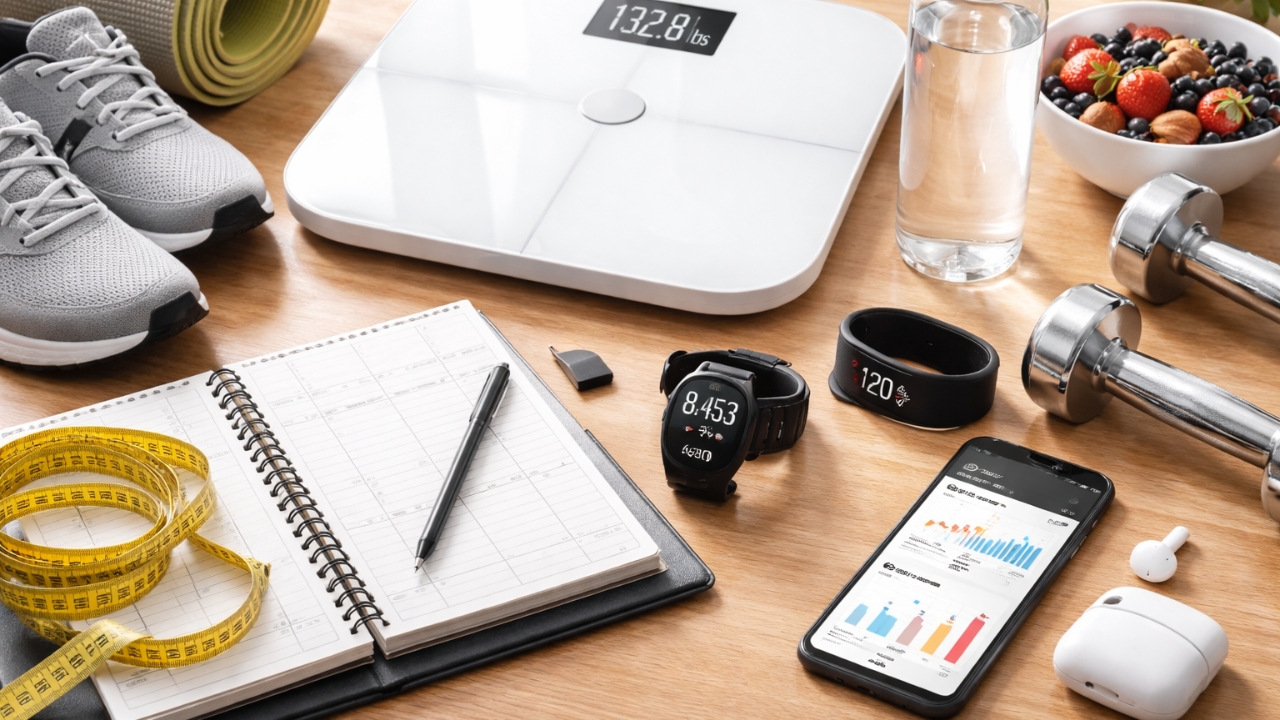
Progress isn’t one-dimensional. To get a complete picture, you need to track multiple aspects of your fitness journey.
1. Physical Changes (Body Composition)
Instead of focusing only on weight, pay attention to body composition, how much of your body is fat versus lean muscle.
Key metrics include:
Body fat percentage
Lean muscle mass
Water retention levels
A body composition test provides a far more accurate representation of progress than a standard scale.
2. Performance Improvements
Performance tracking measures how your body performs during workouts. This includes:
Strength gains (lifting heavier weights)
Increased endurance (longer cardio sessions)
Improved speed and agility
Better flexibility and mobility
Tracking performance is one of the most motivating ways to see progress, especially when physical changes are gradual.
3. Visual Progress
Sometimes the best evidence is what you see. Progress photos can reveal changes that numbers might miss.
Take photos:
Weekly or bi-weekly
In consistent lighting and angles
Wearing similar clothing
Over time, these comparisons can be incredibly powerful.
4. How You Feel (Subjective Progress)
Your energy levels, mood, sleep quality, and confidence are also important indicators.
Ask yourself:
Do I feel stronger?
Do I have more energy?
Am I recovering faster?
These non-measurable improvements often signal real progress.
The Best Tools for Tracking Fitness Progress
Body Composition Testing
A body composition test is one of the most effective tools for understanding your progress. Methods include:
InBody scans
DEXA scans
Skinfold calipers
These tests provide detailed insights into fat loss and muscle gain, helping you make data-driven decisions.
Workout Tracking Apps
Using apps or journals to log workouts helps you track:
Weights lifted
Reps and sets
Workout duration
Over time, you’ll clearly see patterns and improvements.
Wearable Fitness Devices
Devices like fitness trackers and smartwatches monitor:
Heart rate
Calories burned
Steps taken
Sleep patterns
These metrics add another layer of insight to your overall progress.
Progress Journals
Writing down your workouts, meals, and thoughts can help you stay consistent and mindful. Journals are especially useful for identifying habits that support or hinder your success.
How to Set Measurable Fitness Goals
Tracking progress only works if your goals are clearly defined.
Use the SMART Framework
Your goals should be:
Specific – Clear and well-defined
Measurable – Trackable with data
Achievable – Realistic based on your current level
Relevant – Aligned with your priorities
Time-bound – Set within a timeframe
Example:
Instead of saying “I want to lose weight,” say:
“I want to reduce my body fat by 5% in 12 weeks using consistent workouts and nutrition.”
How Often Should You Track Progress?
Consistency is key, but overtracking can lead to frustration.
Here’s a balanced approach:
Weight: 1–2 times per week
Body composition: Every 4–6 weeks
Performance metrics: Every workout
Progress photos: Every 2 weeks
This schedule allows you to monitor trends without becoming obsessed with daily fluctuations.
Common Mistakes to Avoid When Tracking Progress
1. Relying Only on the Scale
Weight fluctuates due to water, food intake, and other factors. It’s not a reliable standalone metric.
2. Expecting Immediate Results
Fitness progress takes time. Focus on consistency rather than quick wins.
3. Tracking Too Many Metrics
While data is helpful, tracking too much can become overwhelming. Stick to the most relevant metrics for your goals.
4. Ignoring Performance Gains
Even if your weight stays the same, improved strength and endurance are clear signs of progress.
5. Comparing Yourself to Others
Your fitness journey is unique. Focus on your own improvements rather than external comparisons.
How Professional Coaching Enhances Progress Tracking

Working with a professional fitness coach can significantly improve how you track and interpret your progress.
At Game Changing Performance, expert coaches:
Conduct advanced body composition tests
Design personalized training programs
Monitor performance tracking data
Adjust plans based on real results
This ensures that every workout moves you closer to your goals efficiently and safely.
The Role of Nutrition in Tracking Progress
You can’t out-train a poor diet. Nutrition plays a critical role in your results.
Tracking your nutrition helps you:
Maintain a calorie balance
Ensure proper protein intake for muscle growth
Fuel workouts effectively
Combining nutrition tracking with performance tracking creates a complete picture of your progress.
Staying Motivated Through Data-Driven Results
Seeing progress,even small wins, keeps you motivated. Tracking helps you:
Celebrate milestones
Stay accountable
Push through plateaus
Remember, progress isn’t always linear. Tracking helps you see the bigger picture over time.
Final Thoughts
Achieving maximum fitness results isn’t just about effort, it’s about strategy. By incorporating tools like body composition tests and consistent performance tracking, you can gain valuable insights into your progress and make smarter decisions.
Whether you’re just starting your journey or looking to break through a plateau, tracking your progress is the key to long-term success.
If you’re ready to take your results to the next level, Game Changing Performance offers expert guidance, advanced tracking tools, and personalized programs designed to help you succeed.
FAQs
1. What is the best way to track fitness progress?
The best approach combines body composition testing, performance tracking, progress photos, and how you feel overall.
2. How often should I do a body composition test?
Every 4–6 weeks is ideal to track meaningful changes without overanalyzing small fluctuations.
3. Why is performance tracking important?
Performance tracking shows improvements in strength, endurance, and fitness levels, even when physical changes are slow.
4. Can I track progress without a gym?
Yes, you can use home workouts, apps, and wearable devices to monitor your performance and activity levels.
5. What if I’m not seeing progress?
Reevaluate your training, nutrition, and recovery. Small adjustments can lead to significant improvements.
6. Do I need a coach to track progress?
While not required, a professional coach can provide expert insights, accountability, and more accurate tracking methods.