
FITNESS AND WEIGHT LOSS BLOG
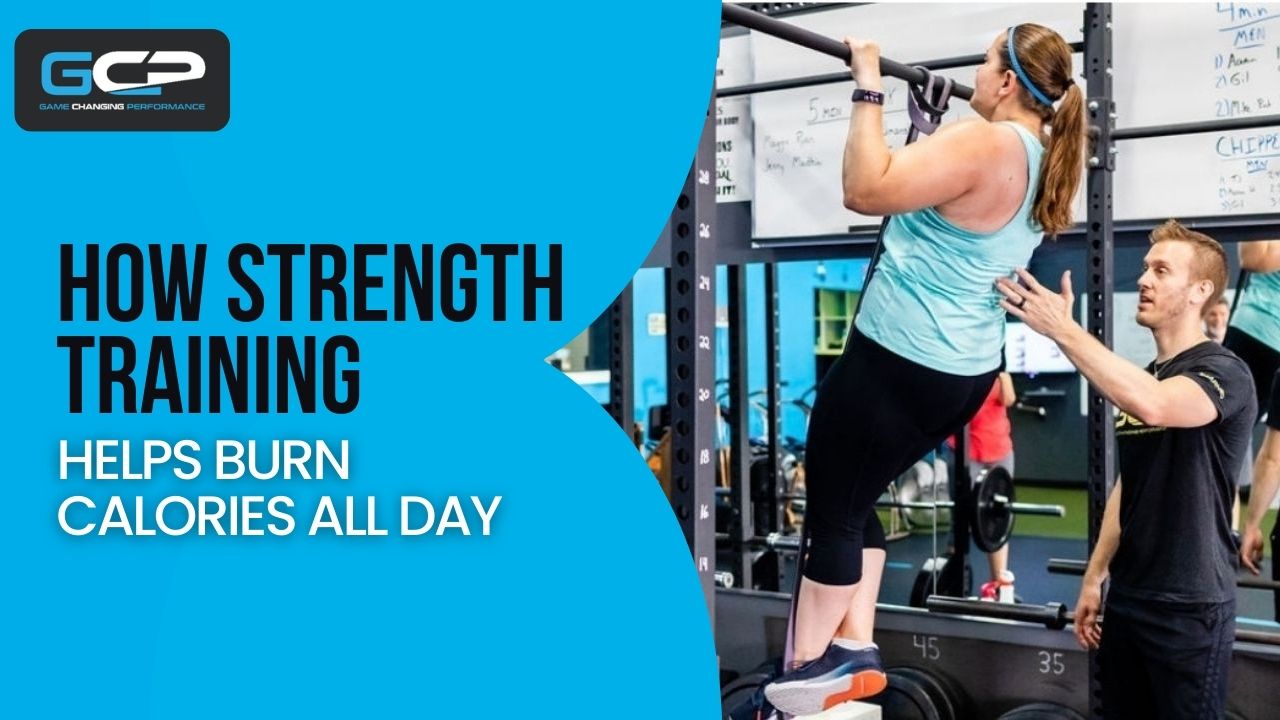
How Strength Training Helps Burn Calories All Day | Metabolism Boost & Fat-Burning Science
How Strength Training Helps Burn Calories All Day
Unlock the hidden calorie-burning power of strength training and transform your metabolism
If you think burning calories ends when you step off the treadmill, think again. Strength training calorie burn doesn’t stop at the gym, it continues for hours after your workout through a metabolic process that helps you burn more fat and build muscle. In this blog, we’ll explore the science, benefits, and strategies behind why strength training is one of the most effective ways to burn calories all day and supercharge your metabolism.
Take the first step toward a fitter, stronger you
Why Strength Training is Different from Cardio
Most people automatically associate calorie burn with cardio workouts, jogging, cycling, or HIIT classes. While these activities do burn calories during the workout, strength training creates a metabolic environment that continues to burn calories long after you’ve stopped exercising.
Two Types of Calorie Burn
Exercise Energy Expenditure
This is what you burn during the workout. Strength training burns fewer calories in the moment compared to intense cardio.Post-Exercise Oxygen Consumption (EPOC)
Strength training triggers elevated calorie burn after the workout, sometimes lasting up to 24–48 hours.
This second form, the ongoing calorie burn, is where strength training outshines many traditional workouts.
The Science Behind Strength Training Calorie Burn

1. Muscle Tissue Requires More Energy
Muscle is metabolically active tissue. Even at rest, it burns more calories than fat tissue. So the more muscle you have, the more calories your body needs to maintain itself.
Every pound of muscle can burn an extra 6–10 calories per day at rest, and this adds up fast.
2. EPOC: Afterburn Effect Explained
After a strength workout, your body enters a state called Excess Post-Exercise Oxygen Consumption (EPOC). During EPOC:
Your body restores oxygen levels
Repairs muscle micro-tears
Replenishes energy stores
This recovery process requires energy, in the form of calories. The more intense the resistance training, the greater the EPOC effect.
Bottom Line: Strength training keeps your metabolism elevated, burning calories long after you’ve finished lifting weights.
Metabolism Boost: What It Really Means
Your metabolism is the process by which your body converts food into energy. Strength training boosts metabolism through:
Hormonal Responses
Resistance exercise stimulates hormones like:
Testosterone
Growth hormone
Insulin-like growth factor (IGF-1)
These hormones help build muscle, which increases calorie requirements and accelerates fat burning.
Improved Insulin Sensitivity
Enhanced insulin sensitivity means your body uses carbohydrates more effectively, reducing fat storage and improving energy use.
Higher Basal Metabolic Rate (BMR)
BMR is the number of calories your body burns at rest. Strength training increases BMR because muscle tissue requires more energy to maintain than fat tissue.
Fat Burning Science: How Strength Training Targets Fat
Unlike cardio, which primarily burns calories during exercise, strength training focuses on long-term fat loss by:
1. Increasing Lean Muscle Mass
Lean muscle increases metabolic demand, meaning you burn more calories even when doing nothing.
2. Enhancing Fat Oxidation
Strength training improves your body’s ability to use fat as fuel,especially at rest.
3. Preserving Muscle During Weight Loss
When losing weight, many people lose both muscle and fat. Strength training protects muscle, ensuring more of the weight lost comes from stored fat.
Strength Training vs. Cardio for Fat Loss
Conclusion: Cardio may burn more calories immediately, but strength training gives you the biggest long-term advantage.
How Often Should You Do Strength Training?
To maximize strength training calorie burn and metabolism boost:
✔ 2–4 days per week
✔ Focus on compound movements
✔ Use progressive overload (increase weights or reps over time)
✔ Aim for 45–60 minutes per session
Consistency is more important than intensity. Even moderate strength workouts yield big metabolic rewards if done regularly.
Top Strength Exercises to Boost Calorie Burn

Here are some of the most effective movements for maximizing calorie expenditure and muscle engagement:
Compound Lifts
These exercises work multiple muscle groups:
Squats
Deadlifts
Bench presses
Rows
Overhead presses
These compound lifts trigger the greatest metabolic response and encourage significant muscle growth.
Supersets & Circuits
Pairing exercises with minimal rest increases heart rate and overall calorie burn:
Squat + Push-up
Row + Lunge
Deadlift + Overhead Press
Supersets speed up workouts and intensify the afterburn effect.
Nutrition & Recovery: Fuel the Fat Burning Process
Strength training calorie burn doesn’t happen in a vacuum — your nutrition matters too.
Protein: The Building Block
Muscle repair and growth depend on adequate protein. Aim for:
✔ Lean meats
✔ Fish
✔ Eggs
✔ Dairy
✔ Plant proteins
Carbohydrates for Performance
Carbs provide the energy you need to lift heavier and push harder.
Healthy Fats for Hormone Support
Fats support hormone balance, which affects muscle growth.
Sleep & Recovery
Sleep is when your body repairs itself. Lack of sleep:
Reduces muscle growth
Slows recovery
Decreases calorie burn
Aim for 7–9 hours of quality sleep per night.
Real Results: What to Expect
When you incorporate strength training into your routine, you’ll likely notice:
Greater strength
Improved body composition
Higher energy levels
Faster metabolism
Reduced body fat
With consistency, you can transform your body into a lean, efficient calorie-burning machine.
Common Mistakes That Slow Fat Loss
Even great workouts can fall short if you’re making these mistakes:
Not lifting heavy enough
Skipping recovery days
Neglecting nutrition
Doing endless cardio instead of resistance work
Fixing these will amplify your results.
Ready to Turn Your Body Into a Fat-Burning Machine?
Start Your Strength Training Journey with Game Changing Performance!
Our personalized programs deliver serious strength gains, metabolism boost, and sustained calorie burn — without guesswork.
Get Started with a Free Consultation
FAQs
1. Does strength training burn more calories than cardio?
Yes, strength training causes lower immediate calorie burn than intense cardio, but it creates a higher long-lasting metabolic boost through EPOC and increased muscle mass.
2. How long does the afterburn effect last?
The afterburn effect (EPOC) can persist for up to 24–48 hours, depending on workout intensity and personal fitness level.
3. How quickly will I see results?
Many people notice increased energy and strength within a few weeks. Visible fat loss and metabolic changes typically appear after 6–8 weeks of consistent training and proper nutrition.
4. Can strength training help with long-term weight loss?
Absolutely. By increasing muscle mass and metabolic rate, strength training supports sustainable fat loss far more effectively than cardio alone.
5. Should I train every day for better calorie burn?
No, your body needs recovery. Aim for 2–4 resistance training sessions per week, balanced with rest and nutrition.

START YOUR TRANSFORMATION TODAY
Ready To Jumpstart Your Journey Today?
Click The Button Below To Learn More!

300 Washington Blvd
Mundelein, Illinois 60060


© 2026 Game Changing Performance
300 Washington Blvd
Mundelein, Illinois 60060
© 2026 Game Changing Performance