
FITNESS AND WEIGHT LOSS BLOG

The Psychology Behind Successful Weight Loss: How Your Mindset Shapes Long-Term Results
What if the biggest obstacle standing between you and your weight-loss goals isn't your workout routine or your diet, but the way you think about the entire process?
You've probably experienced it before. You start a new diet on Monday, commit to working out several times a week, and feel motivated to change your lifestyle. For the first few days, everything goes according to plan.
Then life gets busy.
You miss a workout, eat something that wasn't part of your meal plan, or step on the scale and see a number you weren't expecting. Suddenly, that initial motivation starts disappearing. Before you know it, you're thinking about starting over next Monday.
This cycle is more common than most people realize.
Successful weight loss involves more than choosing the right exercises or following a nutrition plan. Your thoughts, daily decisions, emotional responses, and ability to handle setbacks all influence how consistently you follow through.
That's why developing the right weight loss mindset is such an important part of building lasting results.
At Game Changing Performance, we believe real transformation starts with changing the way you approach fitness, nutrition, and everyday habits. Here's how understanding the psychology behind weight loss can help you stop starting over and begin creating changes that last.
Why Does Your Mindset Matter for Successful Weight Loss?
Weight loss requires repeated decisions. What you eat, how much you move, how you respond to stress, and whether you follow your workout schedule all involve behavioral choices.
Motivation can help you get started, but it naturally changes from day to day. A successful long-term approach requires routines and strategies that continue working even when motivation isn't particularly high.
Your mindset influences how you respond to challenges.
For example, consider two people who both miss a scheduled workout.
Person A thinks, "I've already messed up this week. I'll start again next Monday."
Person B thinks, "I missed today, but I can get back to my schedule tomorrow."
The situation is exactly the same, but the response is different.
That difference can influence whether one missed workout becomes a temporary setback or the beginning of another abandoned fitness routine.
Research into behavioral weight management highlights the importance of goal setting, self-monitoring, feedback, and problem-solving as tools that can support weight-loss efforts.
The takeaway is simple: You don't need to feel motivated every day. You need a mindset and a system that help you keep moving forward.
7 Psychological Factors That Influence Weight Loss Success
Understanding the mental side of weight loss can help you recognize patterns that may be making your journey more difficult.
Here are seven important factors to work on.
1. Motivation vs. Consistency: Why Waiting to Feel Motivated Doesn't Work
Motivation is exciting at the beginning of a fitness journey.
You buy new workout clothes, organize your meals, set ambitious goals, and imagine how different your life will look after reaching your target.
But motivation isn't a permanent feeling.
Some mornings you'll feel ready to exercise. Other days, work responsibilities, family commitments, or simple exhaustion may make the couch look much more appealing.
If your entire routine depends on feeling motivated, consistency becomes difficult.
What works better? Build habits that don't require a daily motivational boost.
For example:
Schedule your workouts at specific times.
Prepare workout clothes the night before.
Plan meals ahead of busy days.
Establish a realistic weekly exercise routine.
Set smaller goals that are easier to complete.
The objective is to reduce the number of decisions you need to make every day.
Instead of asking yourself whether you feel like working out, follow the schedule you've already created.
2. All-or-Nothing Thinking Can Sabotage Your Progress
One of the most damaging thought patterns during weight loss is believing that you must do everything perfectly.
You eat a dessert, so you assume the entire day is ruined. You miss two workouts, so you decide the week is a failure. You don't lose weight one week, so you question whether your efforts are working.
This is often called all-or-nothing thinking.
It creates unnecessary pressure because it treats small setbacks as complete failures.
But successful weight management doesn't require perfect behavior.
Try replacing perfection with flexibility.
If you miss a workout, return to your normal schedule. If you eat more than planned, make your next meal a balanced one. If your week becomes hectic, adjust your routine instead of abandoning it.
One decision doesn't define your entire journey.
The ability to recover from setbacks is a valuable skill that helps make healthy habits sustainable.
3. Your Relationship With Food Influences Your Decisions
Food isn't just fuel. It is also connected to emotions, memories, social situations, celebrations, and everyday routines.
Sometimes people eat because they're hungry. Other times, they eat because they're bored, stressed, frustrated, or looking for comfort.
Understanding the difference can help you make more intentional decisions.
For example, imagine you regularly reach for snacks after a stressful workday. Rather than immediately trying to eliminate those foods, pay attention to the situation.
Ask yourself:
Am I physically hungry?
Am I eating because I'm stressed?
Did I skip a meal earlier?
Am I using food to cope with a particular emotion?
What would help me feel better right now?
This awareness can help you identify patterns without judging yourself.
It is also important to remember that enjoying your favorite foods doesn't mean you've failed. A sustainable nutrition plan should leave room for flexibility.
The goal is to develop a healthier relationship with food, not to make eating another source of stress.
4. Unrealistic Expectations Can Destroy Long-Term Motivation
Many people begin their weight-loss journey expecting visible results within a few weeks.
They expect the scale to drop consistently, clothes to fit differently almost immediately, and every workout to produce noticeable improvements.
When reality doesn't match those expectations, frustration can quickly develop.
But weight loss isn't a perfectly predictable process.
Your weight can fluctuate because of hydration, digestion, sodium intake, hormonal changes, and other factors. These short-term changes don't necessarily reflect changes in body fat.
Set goals that measure behavior as well as outcomes.
Instead of focusing exclusively on losing a certain number of pounds, create goals such as:
Complete three scheduled workouts this week.
Include protein in your main meals.
Walk regularly throughout the week.
Improve your strength on specific exercises.
Maintain a consistent sleep schedule.
These goals give you opportunities to recognize progress even when the scale isn't changing as quickly as expected.
For additional guidance, read our article on How Long Does It Really Take to See Fitness Results?.
5. Your Environment Can Influence Your Habits
Willpower isn't the only thing influencing your daily decisions.
Your surroundings can make certain behaviors easier or harder to maintain.
Think about your kitchen, workplace, daily schedule, social circle, and access to exercise opportunities.
If your evenings are always busy and you haven't planned dinner, making nutritious choices can become difficult. If your workout clothes are buried in a closet and your gym sessions aren't scheduled, skipping exercise becomes easier.
Rather than relying entirely on willpower, make small changes to your environment.
Try these practical adjustments:
Keep convenient, nutritious food options available.
Prepare a few meals or ingredients in advance.
Put workout clothes somewhere visible.
Schedule exercise like any other important appointment.
Keep a water bottle nearby.
Surround yourself with people who support your goals.
These changes reduce friction and make healthy decisions easier to repeat.
6. Accountability Helps You Follow Through
Setting a goal is one thing. Following through when life gets complicated is another.
This is where accountability becomes valuable.
When you're working toward a goal independently, it's easy to postpone workouts, lose track of nutrition habits, or convince yourself that you'll get back on schedule later.
Having someone who understands your goals can provide structure and encouragement.
Accountability can come from:
A personal trainer.
A fitness coach.
A workout partner.
A supportive group fitness community.
Regular progress check-ins.
A good coach doesn't simply tell you to work harder. They help you understand what's working, identify obstacles, adjust your plan, and stay focused on the next step.
At Game Changing Performance, accountability is one of the core parts of our approach to helping members develop sustainable lifestyle changes.
7. Your Identity Can Change the Way You Approach Fitness
There's a difference between saying, "I need to lose weight" and saying, "I'm becoming someone who takes care of my health."
The first statement focuses on an outcome. The second focuses on the behaviors that support that outcome.
This shift can influence how you approach everyday decisions.
Instead of thinking about exercise as something you have to do temporarily to reach a certain number on the scale, begin viewing physical activity as a regular part of your lifestyle.
Start building an identity around behaviors you can control:
I'm someone who makes time for movement.
I prioritize meals that support my energy.
I take recovery seriously.
I follow through on realistic commitments.
I don't give up because of one difficult day.
You don't need to believe you've completely changed overnight.
Every small action gives you another opportunity to practice the habits you want to maintain.
How to Develop a Healthy Weight Loss Mindset
Understanding psychological barriers is a good starting point. The next step is learning how to apply that knowledge to everyday life.
Here are six practical strategies to help you develop a more sustainable approach.
1. Start With Small, Achievable Goals
A goal such as losing 40 pounds can feel overwhelming when you're just getting started.
Break larger goals into smaller actions.
For example:
Big Goal | Smaller Action |
Improve fitness | Schedule three weekly workouts |
Eat healthier | Add protein to breakfast |
Increase activity | Take a daily walk |
Improve recovery | Establish a regular bedtime |
Stay consistent | Track weekly habits |
Small goals create opportunities for progress without requiring you to change your entire lifestyle overnight.
2. Track Progress Beyond the Scale
The scale is one measurement, not a complete picture of your health or fitness progress.
Consider tracking:
Workout attendance.
Strength improvements.
Energy levels.
Waist measurements.
Sleep consistency.
Daily movement.
How your clothes fit.
You can also record personal achievements, such as completing a workout that previously felt difficult.
These indicators help you recognize improvements that a single number may not capture.
3. Practice Responding to Setbacks Differently
A setback is an opportunity to understand what needs adjusting.
Instead of asking, "Why can't I stick to anything?" try asking:
What made this difficult?
Was my goal realistic?
Did I plan around my schedule?
Was I getting enough rest?
What could I change next time?
This turns frustration into useful information.
You don't need to punish yourself for an imperfect day. You need to identify what happened and decide what to do next.
4. Create a Routine That Fits Your Actual Life
A workout schedule that looks impressive on paper isn't useful if you cannot maintain it.
If you work long hours, have family responsibilities, or frequently travel, your routine needs to account for those realities.
Choose workout times, meal-planning habits, and activity levels that work with your schedule.
A flexible routine is easier to maintain than one that requires every day to go perfectly.
5. Surround Yourself With Positive Support
The people around you can influence your habits and confidence.
Find a supportive environment where you feel comfortable asking questions, learning new exercises, and celebrating improvements.
This doesn't mean everyone needs to have the same goals. It means surrounding yourself with people who respect your efforts and encourage healthy decisions.
6. Focus on Progress, Not Perfection
You will have difficult weeks. Your schedule will change. Some workouts won't go as planned.
That's normal.
The goal isn't to eliminate every setback. It's to develop the confidence and skills to continue despite them.
Consistency is built through repeated decisions, not perfect streaks.
Why Nutrition, Exercise, and Mindset Need to Work Together
A positive mindset is important, but it cannot replace an effective nutrition and training strategy.
Long-term weight loss requires several elements working together.
Nutrition: Your eating habits need to support your goals while providing enough energy and nutrients.
Strength training: Resistance exercise helps build and preserve muscle while improving physical performance.
Cardiovascular activity: Walking, cycling, and other aerobic activities support cardiovascular fitness and contribute to daily energy expenditure.
Sleep and recovery: Adequate rest supports training performance, energy, and overall well-being.
Mindset and accountability: Behavioral strategies help you follow through when motivation changes or obstacles appear.
These elements work best as part of one structured approach rather than separate short-term challenges.
At Game Changing Performance, our coaching philosophy focuses on combining customized training, habit-based nutrition coaching, and accountability to support lasting lifestyle changes.
Explore our Game Changing Performance fitness programs to learn more about our approach.
A Simple 7-Day Mindset Reset for Your Weight Loss Journey
If you're ready to change the way you approach fitness, start with one week of intentional actions.
Use this simple plan to begin developing better routines.
Day | Focus | Action |
Monday | Goal setting | Write down three realistic weekly goals |
Tuesday | Awareness | Pay attention to your eating patterns |
Wednesday | Movement | Complete your scheduled workout |
Thursday | Preparation | Plan meals for the next few days |
Friday | Accountability | Review your progress with someone |
Saturday | Flexibility | Enjoy your day without an all-or-nothing mindset |
Sunday | Reflection | Identify one improvement for next week |
This isn't a seven-day weight-loss challenge. It's an opportunity to practice behaviors that can become part of your regular lifestyle.
You can repeat the process, adjusting your goals as your needs change.
Frequently Asked Questions About Weight Loss Psychology
1. Why is mindset important for weight loss?
Mindset influences how people respond to challenges, make daily decisions, and maintain healthy behaviors. A realistic and flexible approach can help individuals stay consistent with nutrition, exercise, and recovery habits over time.
2. How do I develop a positive weight loss mindset?
Start by setting achievable goals, focusing on daily behaviors rather than immediate results, tracking progress, and learning to respond to setbacks without giving up. Building a supportive environment can also make consistency easier.
3. Why do I keep starting and stopping my weight loss journey?
This pattern can happen when goals are too ambitious, routines are difficult to maintain, or progress expectations are unrealistic. All-or-nothing thinking and relying entirely on motivation can also contribute. Start with manageable changes and build consistency gradually.
4. How do I stay motivated when losing weight?
Rather than depending entirely on motivation, create a routine with scheduled workouts, realistic nutrition goals, progress tracking, and accountability. Celebrate improvements that go beyond the scale, including better strength, endurance, and consistency.
5. Can your mindset affect your eating habits?
Yes. Emotions, stress, routines, and environmental triggers can influence food choices. Becoming more aware of why and when you eat can help you develop more intentional and flexible eating habits.
6. What is all-or-nothing thinking in weight loss?
All-or-nothing thinking means believing that anything less than perfect behavior represents failure. For example, missing one workout might make someone feel that their entire week is ruined. A more sustainable approach recognizes that individual setbacks don't erase previous progress.
7. How does accountability help with weight loss?
Accountability provides structure, feedback, and encouragement. Coaches and supportive workout partners can help identify barriers, review progress, and adjust routines when challenges arise.
8. How long does it take to develop healthy habits?
There is no universal timeline. Habit development depends on the behavior, individual circumstances, consistency, and environment. Focus on repeating manageable actions instead of expecting every new habit to become automatic within a specific number of days.
9. Should I focus on mindset or nutrition first?
Both matter, but you don't need to master everything immediately. Start with a manageable nutrition habit while creating a realistic exercise schedule. Developing the mindset to maintain those behaviors is part of the process.
10. What should I do when I feel like giving up on weight loss?
Step back and identify what is making the process difficult. Your goals may need adjusting, your routine may be too demanding, or you may need additional support. Focus on one manageable next step instead of trying to solve everything at once.
Successful Weight Loss Starts With a Different Approach
You can have the best workout program, a detailed meal plan, and all the right equipment, but none of those things will help much if your routine doesn't fit your life.
The psychology behind successful weight loss comes down to understanding your behaviors, managing expectations, building confidence, and developing the ability to keep going when things don't go according to plan.
You don't need another Monday morning promise or a temporary burst of motivation.
You need a realistic approach that helps you make better decisions consistently.
At Game Changing Performance in Mundelein, Illinois, we help people build more than workout routines. Our approach combines structured fitness training, habit-based nutrition coaching, and accountability to help members create meaningful lifestyle changes.
Whether you're starting your first fitness journey or tired of repeatedly starting over, the right support can help you move forward with a clearer plan.
Ready to change the way you approach weight loss?
Visit Game Changing Performance to learn about our programs and take the next step toward building healthier habits that last.
Your transformation starts with the decisions you make today.
About Game Changing Performance
Game Changing Performance helps individuals in Mundelein, Illinois, work toward sustainable fitness and weight-management goals through customized training, habit-based nutrition coaching, and ongoing accountability.
Location: 300 Washington Blvd, Mundelein, IL 60060
Phone: (847) 565-1116
Website: https://gamechangingperformance.fit/
Disclaimer: This article is intended for general educational purposes and does not replace individualized medical, nutritional, or mental health advice. Consult an appropriate qualified professional for guidance related to your individual circumstances.

START YOUR TRANSFORMATION TODAY
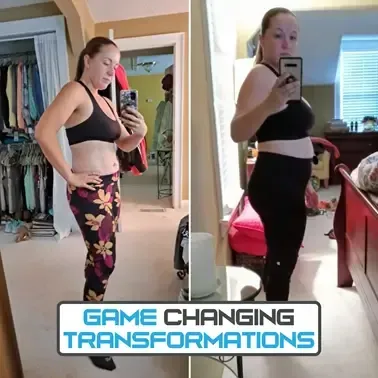
Ready To Jumpstart Your Journey Today?
Click The Button Below To Learn More!

300 Washington Blvd
Mundelein, Illinois 60060


© 2026 Game Changing Performance
300 Washington Blvd
Mundelein, Illinois 60060
© 2026 Game Changing Performance