
FITNESS AND WEIGHT LOSS BLOG

5 Fitness Habits That Add Years to Your Life
Everyone wants to live longer. But a longer life only matters if those years are active, independent and full of energy. That is the real goal of longevity fitness: not just adding years to your life, but adding life to your years.
The good news is that you do not need extreme routines, expensive gadgets or hours in the gym. Research consistently links regular physical activity with lower risk of heart disease, type 2 diabetes, some cancers, cognitive decline and early death. A handful of simple, repeatable habits makes the biggest difference.
In this guide, we break down five fitness habits that support healthy aging and show you how to build them into real life. At Game Changing Performance, we help people train for the long game. If you want a plan built around your goals, explore our training programs.
Why Fitness Is the Foundation of Healthy Aging
As we age, we naturally lose muscle mass, bone density, balance and cardiovascular capacity. Left unchecked, that decline affects everything from climbing stairs to getting up off the floor. The encouraging part is that regular training can slow much of this decline, and it works at any age.
Think of exercise as the closest thing we have to a longevity medicine. The five habits below target the areas that matter most: strength, heart health, daily movement, mobility and recovery.
Habit 1: Strength Train at Least Twice a Week
If you only add one habit, make it strength training. Muscle does far more than help you look fit. It supports your metabolism, protects your joints, helps regulate blood sugar and keeps you independent as you age. Muscle and bone mass decline with age, and resistance training is one of the most effective ways to counter that.
How to do it
Train major muscle groups at least two days per week, in line with common public health guidelines.
Focus on compound movements: squats, hip hinges, presses, rows and carries.
Gradually increase weight or reps over time. This is called progressive overload.
Prioritize good technique before adding load.
New to lifting? Our muscle-building program is a structured place to start, and our coaching team can make sure your form is safe and effective.
Habit 2: Build Your Cardio Base
A strong heart and good aerobic fitness are among the best predictors of long-term health. Studies have linked higher cardiorespiratory fitness with lower risk of early death, which makes cardio a cornerstone of longevity fitness.
How to do it
Aim for at least 150 minutes of moderate-intensity activity per week, or 75 minutes of vigorous activity, as recommended by major health organizations.
Zone 2 cardio: steady effort where you can still hold a conversation, such as brisk walking, easy cycling or swimming. It builds your aerobic base without overtaxing recovery.
Add one short, higher-intensity session each week if your health allows, such as intervals on a bike or hill sprints.
Pick activities you enjoy. The best cardio is the one you will keep doing for decades.
Habit 3: Move More Throughout the Day
You can train for an hour and still undo some of the benefit by sitting for the other 15. Long periods of inactivity are linked with poorer metabolic and cardiovascular health, even in people who exercise. Daily movement is the habit that fills the gaps.
How to do it
Walk daily. Many people aim for 7,000 or more steps a day, but any increase from your current baseline helps.
Stand up and move for a couple of minutes every 30 to 60 minutes of sitting.
Take calls on foot, use stairs and walk after meals.
Keep a pair of walking shoes or a resistance band within reach to make movement easy.
Fueling matters too. Check out our guide on what to eat before a workout and our full workout nutrition resource to keep your energy steady all day.
Habit 4: Train Mobility and Balance
Falls and loss of mobility are major threats to independence in later life. Strength and cardio are essential, but mobility, stability and balance keep your body moving smoothly and help you avoid injury.
How to do it
Spend 5 to 10 minutes a day on mobility drills for hips, spine, shoulders and ankles.
Practice single-leg balance, such as standing on one foot while brushing your teeth.
Include slow, controlled movements like split squats, step-ups and Romanian deadlifts.
Try yoga, tai chi or Pilates once or twice a week for flexibility and body awareness.
Test yourself: can you get down to the floor and back up with minimal support? Keep working until you can.
Habit 5: Prioritize Recovery, Sleep and Consistency
Training is the stimulus, but recovery is where your body adapts and gets stronger. Poor sleep and chronic stress can undermine even the best workout plan, while consistent rest supports heart health, mood, immunity and hormone balance.
How to do it
Aim for 7 to 9 hours of sleep per night, with a consistent bedtime and wake time.
Schedule at least one or two lighter days each week.
Eat enough protein and whole foods to support repair. Our post-workout meal guide shows how.
Manage stress with walks, breathing exercises or time outdoors.
Remember that consistency beats intensity. Showing up for years matters more than any single hard workout.
Struggling to stay on track? An accountability coach can help you stay consistent, which is the real secret to longevity.
A Simple Weekly Longevity Fitness Plan
Day | Focus | Example |
Monday | Strength (full body) | Squat, push, row, carry, 40 to 50 minutes |
Tuesday | Zone 2 cardio | 30 to 45 minute brisk walk or easy bike ride |
Wednesday | Mobility and balance | 15 to 20 minutes of mobility, yoga or tai chi |
Thursday | Strength (full body) | Hinge, press, pull, single-leg work |
Friday | Cardio intervals (optional) | Short intervals, if appropriate for your health |
Saturday | Active fun | Hike, swim, sport or a long walk with family |
Sunday | Recovery | Light walk, stretching and meal prep |
Adjust the plan to your fitness level, schedule and any health conditions. If you want a plan tailored to you, our coaching services take the guesswork out.
Common Longevity Fitness Mistakes to Avoid
Doing only cardio or only weights. You need both for balanced healthy aging.
Going too hard, too soon. Build gradually to avoid injury and burnout.
Skipping recovery. Rest is part of the program.
Waiting for the perfect plan. A good plan you follow beats a perfect one you never start.
Thinking it is too late. People can improve strength and fitness at any age.
Frequently Asked Questions
What is the best exercise for longevity?
There is no single best exercise. The strongest approach combines strength training, aerobic cardio, daily movement, mobility and good recovery.
How much exercise do I need to live longer?
Major health organizations recommend at least 150 minutes of moderate activity per week plus muscle-strengthening work on two or more days. Even small amounts of movement beat none, and more can bring added benefits.
Is it too late to start exercising in my 50s, 60s or beyond?
No. Research shows that people can build strength, improve fitness and reduce health risks at nearly any age. The best time to start is now.
Is strength training safe for older adults?
For most people, yes, when done with proper technique and gradual progression. If you have a medical condition or are unsure, talk with your doctor and consider working with a qualified coach.
How long until I notice a difference?
Many people feel better energy, mood and sleep within a few weeks. Strength and fitness improvements build over months, and long-term health benefits come from staying consistent.
Final Thoughts
Longevity fitness is not about extremes. It is about stacking five simple habits: strength training, a solid cardio base, daily movement, mobility and balance, and smart recovery. Do them consistently, and you give yourself the best chance at a longer, stronger and more independent life.
Ready to build your longevity plan? Explore our training programs, learn more about working with a coach, or reach out to our team to get started today.
This article is for educational purposes and is not medical advice. Check with your doctor before starting a new exercise program, especially if you have a health condition.

START YOUR TRANSFORMATION TODAY
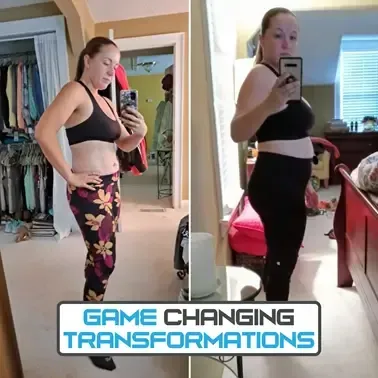
Ready To Jumpstart Your Journey Today?
Click The Button Below To Learn More!

300 Washington Blvd
Mundelein, Illinois 60060


© 2026 Game Changing Performance
300 Washington Blvd
Mundelein, Illinois 60060
© 2026 Game Changing Performance