
FITNESS AND WEIGHT LOSS BLOG
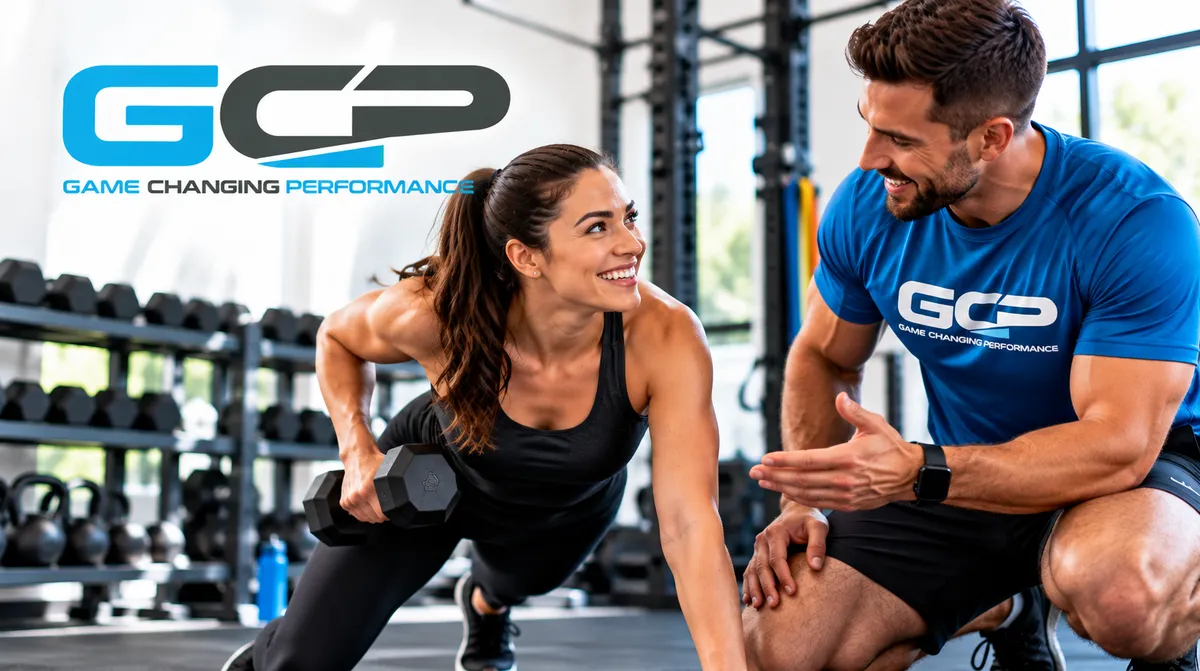
The Benefits of Hiring a Coach Instead of Working Out Alone
You have the gym membership. You have the playlist. You may even have a plan saved on your phone. So why do so many people still stall, lose motivation, or quit after a few weeks?
The truth is that working out alone is hard to sustain. Without feedback, structure and someone in your corner, progress slows and consistency slips. That is where a fitness coach changes the game. In this guide, we break down the real benefits of hiring a coach, how it compares to going solo, and how to know if it is the right move for you.
At Game Changing Performance, we coach people at every level, and the pattern is clear: the right guidance gets you further, faster. Explore our coaching services to see what that looks like in practice.
Fitness Coach vs Working Out Alone: The Real Difference
Training on your own is a great start, and plenty of people make real progress that way. But most solo exercisers eventually hit the same walls: plateaus, inconsistent routines, nagging aches and no clear sense of whether they are on the right track.
A coach removes the guesswork. Instead of piecing together advice from social media, you get a plan built for your body, goals, schedule and experience level, plus someone who adjusts it as you progress.
9 Benefits of Hiring a Fitness Coach
1. You Get a Plan Built Specifically for You
Generic workout plans ignore your injury history, available equipment, schedule and starting point. A coach designs a program around your real life, so every session has a purpose. Browse our training programs to see how structured, goal-driven training works.
2. Built-In Accountability That Keeps You Consistent
Consistency beats intensity, and consistency is where most people struggle. An accountability coach checks in on your progress, notices when you slip and helps you get back on track before one missed week becomes a missed month. Knowing someone expects to hear from you changes how often you actually show up.
3. Better Technique and Fewer Injuries
Poor form is one of the most common reasons people get hurt or stop progressing. A coach teaches you how to move well, from squat depth to bracing to shoulder position, so you train harder with less risk. Even small technique fixes can unlock noticeable strength gains.
4. Faster, Smarter Progress
Coaches apply progressive overload deliberately, adjusting volume, intensity and exercise selection as you improve. That means fewer wasted workouts and fewer plateaus. If your goal is size, our muscle-building program shows how smart progression works.
5. Nutrition Guidance That Matches Your Training
Results are built in the kitchen as much as the gym. A good coach helps you eat in a way that supports your goals without extreme dieting. They can guide everything from pre workout fuel to recovery meals. Start with our guides on what to eat before a workout and our post-workout meal guide, or read our full workout nutrition resource.
6. Motivation When Your Own Runs Out
Everyone has days when they do not feel like training. A coach brings encouragement, perspective and a push when you need it. They remind you why you started and celebrate progress you might overlook.
7. Honest Feedback and Course Correction
When you train alone, it is easy to repeat what is not working for months. A coach reviews your results, spots problems early and changes the plan. That feedback loop is one of the biggest advantages over going it alone.
8. It Saves Time and Mental Energy
No more scrolling for workouts, second-guessing exercises or wondering what to do next. Your coach handles the planning so you can simply show up and train. For busy people, that convenience alone can be worth the investment.
9. Support for Your Whole Lifestyle
Sleep, stress, recovery and habits all affect results. A coach looks at the bigger picture and helps you build routines that last, so progress does not disappear the moment motivation dips.
Fitness Coach vs Working Out Alone: Quick Comparison
Factor | Working Out Alone | With a Fitness Coach |
Programming | Generic or self-built | Personalized and adjusted over time |
Accountability | Depends on willpower | Regular check-ins and follow-up |
Technique | Self-taught, higher injury risk | Expert cues and corrections |
Progress tracking | Often inconsistent | Structured and data-driven |
Nutrition | Guesswork | Tailored guidance |
Plateaus | Hard to diagnose | Identified and fixed quickly |
Cost | Lower upfront | Higher upfront, often better long-term value |
Is Hiring a Fitness Coach Worth It?
For many people, yes. Consider the cost of what goes wrong without guidance: months of stalled progress, wasted gym fees, injuries and the frustration of starting over. A coach compresses the learning curve and helps you build habits that last.
A coach is especially valuable if you:
Are new to training and unsure where to start
Keep starting and stopping your routine
Have hit a plateau and cannot figure out why
Want to lose fat, build muscle or improve athletic performance with a clear plan
Are returning from a break or injury and want to train safely
Know what to do but struggle to stay consistent
If fat loss is your focus, see how our fat loss program combines training, nutrition and accountability.
When Working Out Alone Can Still Work
To be fair, going solo is not a bad choice for everyone. If you are experienced, self-motivated and already see steady progress, you may not need a coach full time. Even then, periodic check-ins or a short coaching block can refine your technique and break through plateaus.
In-Person vs Online Fitness Coach
You do not need to live near a gym to get expert guidance. Online coaching delivers your programming, check-ins and feedback through an app or video, often at a lower cost and with more flexibility. In-person coaching offers hands-on cueing and immediate correction. The best choice depends on your budget, schedule and how much in-the-moment guidance you want.
How to Choose the Right Fitness Coach
Look for relevant credentials and experience with goals like yours.
Ask about their process: how they assess you, build programs and track progress.
Check communication style. You want someone supportive but honest.
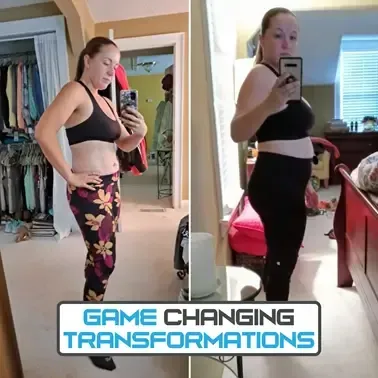
Review client results and testimonials from people with similar goals.
Make sure the plan is personalized, not a copy-and-paste template.
Confirm the level of accountability and support included.
Frequently Asked Questions
What does a fitness coach actually do?
A fitness coach designs your training program, teaches proper technique, tracks your progress, adjusts your plan and keeps you accountable. Many also provide nutrition and lifestyle guidance.
Is a fitness coach the same as a personal trainer?
The roles overlap. Personal trainers often work in person during sessions, while coaches typically take a broader, longer-term approach that includes programming, habits, nutrition and ongoing accountability, often online.
How quickly will I see results with a coach?
It varies by goals, starting point and consistency. Many people notice better energy, confidence and consistency within the first few weeks, with visible changes building over the following months.
Can an accountability coach help if I already know what to do?
Yes. Knowing what to do and doing it consistently are different challenges. An accountability coach helps close that gap with regular check-ins and support.
Do I need to be fit before hiring a coach?
No. A good coach meets you where you are, whether you are a complete beginner or an experienced athlete.
Final Thoughts
Working out alone can get you started, but a fitness coach helps you keep going and get real results. With a personalized plan, expert feedback, nutrition support and built-in accountability, you spend less time guessing and more time progressing.
Ready to stop spinning your wheels? Learn more about our team, explore our coaching options and contact us today to start training with a plan and a partner behind you.

START YOUR TRANSFORMATION TODAY
Ready To Jumpstart Your Journey Today?
Click The Button Below To Learn More!

300 Washington Blvd
Mundelein, Illinois 60060


© 2026 Game Changing Performance
300 Washington Blvd
Mundelein, Illinois 60060
© 2026 Game Changing Performance