
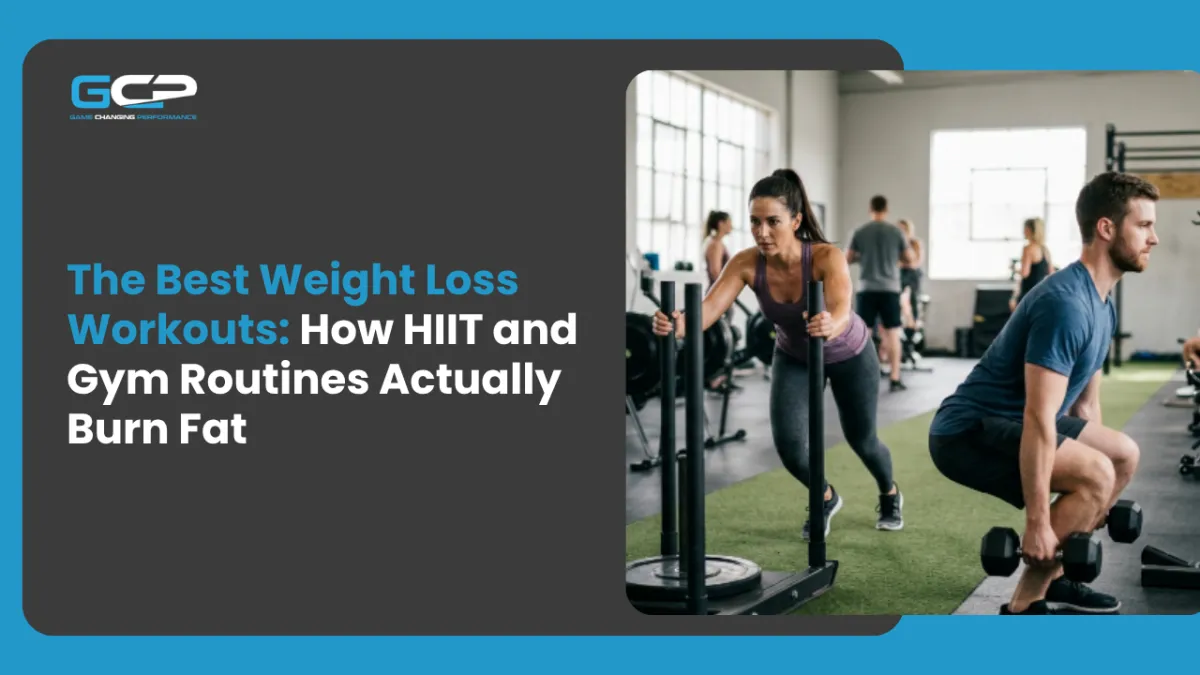
The Best Weight Loss Workouts: HIIT, Gym Routines & Fat-Burning Tips
Every gym is full of people who want to lose weight. Most of them are doing the wrong workouts. They spend hours on the treadmill, skip the weights, and wonder why the scale barely moves. The truth is that effective weight loss workouts are built on science, not sweat alone.
This guide breaks down exactly what works, why it works, and how to build a gym routine for weight loss that delivers real, lasting results.
Ready to Burn Fat Smarter?
Why Your Workout Choice Matters for Fat Loss
Not all exercise burns fat equally. Your body adapts quickly to repetitive, steady-state cardio, meaning that 45-minute jog that felt hard in week one barely challenges you by week four. To continuously drive fat loss, you need workouts that elevate your metabolism both during and after exercise.
This is where smart workout selection makes all the difference. The right combination of high-intensity interval training, resistance work, and strategic recovery can turn your body into a fat-burning machine around the clock, not just during your gym session.
HIIT for Weight Loss: The Science Behind the Burn
HIIT (High-Intensity Interval Training) is one of the most researched and proven methods for accelerating fat loss. The concept is simple: alternate between short bursts of maximum-effort exercise and brief recovery periods. The result is anything but simple.
Why HIIT Works
Afterburn Effect (EPOC): After an intense HIIT session, your body continues burning calories at an elevated rate for up to 24 to 48 hours as it works to restore oxygen levels and repair muscle tissue.
Greater Caloric Burn Per Minute: Studies show HIIT burns 25 to 30 percent more calories than other forms of exercise in the same time period.
Preserves Muscle Mass: Unlike long-duration steady-state cardio, HIIT signals your body to hold onto muscle while burning fat preferentially.
Boosts Metabolic Rate: Regular HIIT training increases your resting metabolic rate, meaning you burn more calories even at rest.
Best HIIT Exercises for Weight Loss
Sprint intervals (treadmill or outdoors)
Jump squats and squat pulses
Burpees
Box jumps
Kettlebell swings
Battle ropes
Cycling sprints (stationary bike)
Mountain climbers
Pro Tip: How Often Should You Do HIIT?
Limit HIIT to 3 to 4 sessions per week with at least one rest or active recovery day between sessions. Because of the intensity, overtraining is a real risk. More is not always better with HIIT.
Building the Perfect Gym Routine for Weight Loss
HIIT alone is powerful, but pairing it with a structured strength-training routine multiplies your fat-loss results. Muscle tissue burns more calories at rest than fat tissue. Every pound of muscle you build increases your basal metabolic rate, making long-term weight management significantly easier.
The Fat-Loss Training Split (4 Days Per Week)
Day 1 Lower Body Strength + Core
Barbell squats: 4 sets x 8 reps
Romanian deadlifts: 3 sets x 10 reps
Walking lunges: 3 sets x 12 reps per leg
Leg press: 3 sets x 12 reps
Plank hold: 3 x 45 seconds
Day 2 Upper Body Strength + HIIT Finisher
Bench press: 4 sets x 8 reps
Bent-over rows: 3 sets x 10 reps
Overhead dumbbell press: 3 sets x 10 reps
Lat pulldowns: 3 sets x 12 reps
HIIT finisher: 10-minute sprint intervals on the treadmill
Day 3 Active Recovery
30-minute brisk walk or light cycling
Full-body stretching or yoga
Focus on hydration and nutrition
Day 4 Full Body HIIT Circuit
Kettlebell swings: 40 seconds on / 20 seconds off
Box jumps: 40 seconds on / 20 seconds off
Dumbbell thrusters: 40 seconds on / 20 seconds off
Battle ropes: 40 seconds on / 20 seconds off
Burpees: 40 seconds on / 20 seconds off
Complete 4 rounds with 2-minute rest between rounds
Day 5 Lower/Upper Hypertrophy
Deadlifts: 4 sets x 6 reps
Pull-ups or assisted pull-ups: 4 sets x 8 reps
Bulgarian split squats: 3 sets x 10 reps per leg
Incline dumbbell press: 3 sets x 10 reps
Cable rows: 3 sets x 12 reps
Days 6 & 7 Rest or Active Recovery
Allow your body to repair and grow stronger. Prioritize sleep (7 to 9 hours), protein intake (0.7 to 1g per pound of body weight), and stress management.
Cardio vs. Weights: Which Burns More Fat?
This is one of the most debated questions in fitness, and the answer is: both, strategically combined, beats either alone.
Nutrition: The Workout Multiplier
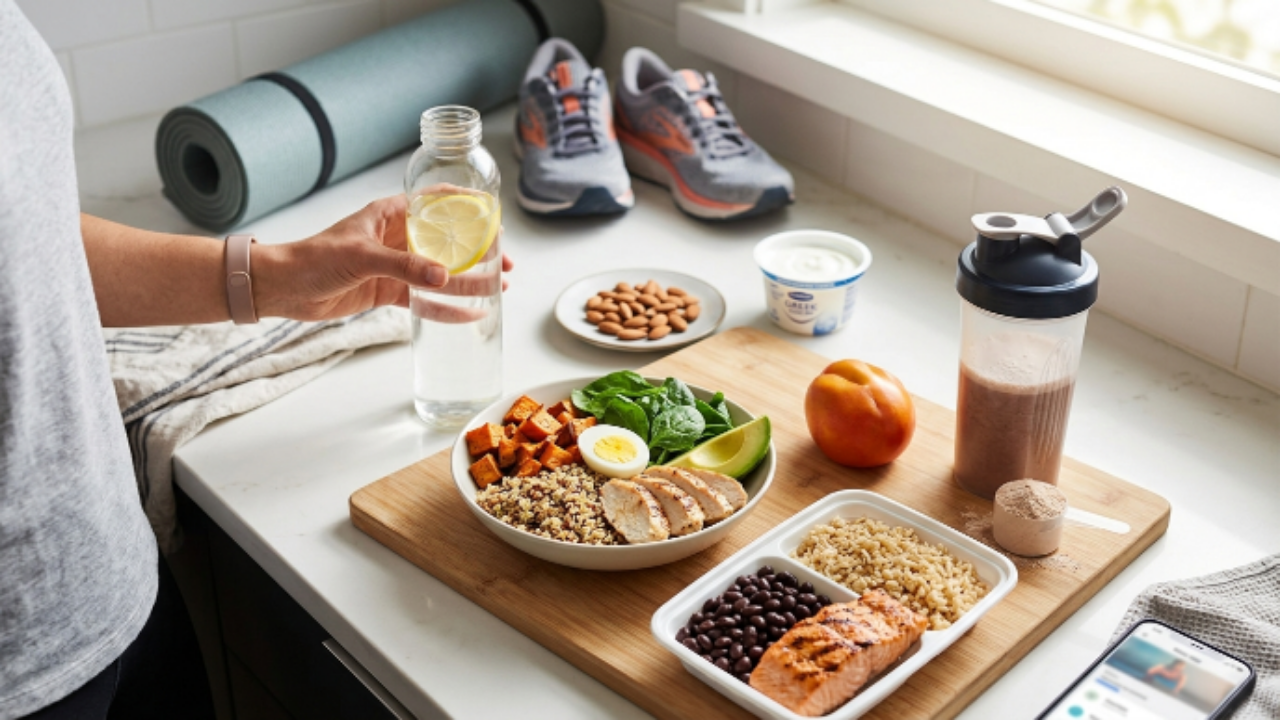
No weight loss workout program succeeds without aligned nutrition. Exercise creates the caloric deficit opportunity; your diet determines whether you capitalize on it.
Protein First: Aim for 0.7 to 1 gram of protein per pound of body weight daily. Protein supports muscle repair, keeps you full, and has the highest thermic effect of all macronutrients (your body burns more calories just digesting it).
Caloric Deficit: For sustainable fat loss, aim for a 300 to 500 calorie daily deficit. Crash diets undermine your training and trigger muscle loss.
Pre-Workout Fuel: Consume a balanced meal with carbohydrates and protein 60 to 90 minutes before training for optimal energy output.
Post-Workout Recovery: Within 30 to 60 minutes after training, consume 20 to 40 grams of protein to initiate muscle repair.
Hydration: Even mild dehydration reduces exercise performance by up to 10 percent. Aim for at least 3 liters of water daily on training days.
Common Weight Loss Workout Mistakes to Avoid
Skipping Strength Training: Many people, especially women, avoid weights fearing they will bulk up. Strength training sculpts your physique and dramatically accelerates fat loss.
Doing Too Much Cardio: Excessive steady-state cardio can break down muscle tissue and increase cortisol, making fat loss harder over time.
Ignoring Progressive Overload: To keep burning fat, you must keep challenging your body. Gradually increase weights, reps, or intensity each week.
Not Tracking Workouts: Without tracking, it is impossible to apply progressive overload or notice plateaus early.
Underestimating Recovery: Muscles are built and fat is mobilized during rest, not during the workout itself. Poor sleep and inadequate recovery stall all progress.
For Beginners: How to Start Your Weight Loss Workout Journey
If you are new to structured exercise, jumping straight into intense HIIT or heavy lifting can lead to injury and burnout. Here is a beginner-friendly approach:
Weeks 1 to 2 Foundation Phase
3 days per week, full-body workouts
Focus on movement patterns: squat, hinge, push, pull, carry
Use bodyweight or light dumbbells
20 to 25 minutes of brisk walking on off days
Weeks 3 to 4 Build Phase
Add one HIIT session per week (beginner-friendly: 20 seconds on / 40 seconds off)
Increase resistance slightly
Aim for 4 training days per week
Week 5 and Beyond Progression Phase
Graduate to the 4 to 5 day split outlined above
Increase HIIT intensity and duration gradually
Track body measurements, strength progress, and energy levels, not just scale weight
Remember: Scale Weight Is Not the Full Picture
Muscle weighs more than fat by volume. As you gain muscle and lose fat, your measurements and how your clothes fit will change dramatically before the scale does. Track multiple metrics.
Frequently Asked Questions
Q: How long does it take to see results from weight loss workouts?
Most people begin to notice energy improvements and subtle body composition changes within 2 to 3 weeks. Visible fat loss typically becomes noticeable at 4 to 8 weeks with consistent training and proper nutrition. Remember that sustainable fat loss averages 0.5 to 1.5 pounds per week.
Q: Is HIIT better than walking for weight loss?
HIIT burns significantly more calories per minute and triggers greater EPOC than walking. However, walking is valuable as active recovery, low-stress daily movement (NEAT), and a sustainable habit especially for beginners. The best approach uses HIIT as your primary fat-burning tool while using walking to supplement daily calorie expenditure.
Q: Can I lose weight with gym workouts alone without dieting?
Exercise can create a caloric deficit, but it is very difficult to out-train a poor diet. Research consistently shows that nutrition accounts for approximately 70 to 80 percent of weight loss results. Workout hard and eat smart for the best outcomes.
Q: How many days per week should I do weight loss workouts?
For optimal fat loss, aim for 4 to 5 training days per week with a mix of strength training and HIIT sessions. Include 2 to 3 rest or active recovery days. Overtraining increases injury risk and actually slows fat loss by elevating cortisol levels.
Q: What is the single best exercise for weight loss?
There is no single best exercise. The most effective weight loss workout program combines compound strength movements (squats, deadlifts, presses) that recruit maximum muscle mass with HIIT cardio intervals. Compound movements burn more calories, recruit more muscle, and elevate your metabolism far more than isolated exercises like bicep curls or leg extensions.
Your Fat-Loss Transformation Starts Today
You now have the roadmap. The missing piece is action.
Whether you are starting your first gym session this week or leveling up an existing routine, commit to the process. Celebrate every rep. Trust the science. Show up consistently.
Share This Post | Subscribe for Weekly Fitness Tips