

10 Signs Your Workout Isn't Challenging You Anymore
If you've been following the same workout routine for weeks—or even months—but your results have stalled, your body may be trying to tell you something. While consistency is one of the biggest keys to success, doing the exact same exercises at the same intensity can eventually lead to a workout plateau.
Your body is incredibly adaptable. Once it becomes efficient at a particular workout, the same routine no longer provides enough stimulus to promote strength, muscle growth, endurance, or athletic improvement.
That's where progressive overload comes in. Gradually increasing the demands placed on your body helps you continue making fitness progress while reducing the risk of stagnation.
In this guide, we'll cover the 10 biggest signs your workout is no longer challenging you and explain how to safely level up your training.
What Is a Workout Plateau?
A workout plateau occurs when your body adapts to your current training routine, causing improvements in strength, endurance, speed, or muscle growth to slow or stop altogether.
Plateaus are normal. In fact, they're part of every fitness journey.
The important thing is recognizing the signs early so you can make adjustments before frustration leads to burnout or loss of motivation.
1. You Never Feel Challenged During Your Workouts
One of the clearest indicators that your workout has become too easy is that every session feels comfortable.
You finish your sets with plenty of energy left, rarely breathe heavily, and don't feel mentally engaged.
While every workout doesn't need to leave you exhausted, consistently feeling like you could do much more often means it's time to increase the challenge.
Consider increasing:
Resistance
Repetitions
Sets
Exercise complexity
Training volume
2. You're No Longer Getting Stronger
Have your lifts stayed exactly the same for months?
If your squat, bench press, deadlift, or other key movements haven't improved despite regular training, you've likely reached a plateau.
Strength improvements happen when muscles are consistently exposed to slightly greater demands.
Without increasing those demands, your body has little reason to adapt.
3. Your Heart Rate Barely Increases
Cardiovascular fitness improves as your body becomes more efficient.
If your workouts barely elevate your heart rate anymore, they may no longer be challenging enough to improve endurance.
You may benefit from:
Shorter rest periods
Interval training
Faster movement speed
More challenging conditioning circuits
4. You Recover Too Quickly
Recovery is important, but if you're completely recovered only a few hours after every workout, your sessions may not be providing enough stimulus.
A properly challenging workout shouldn't leave you exhausted for days, but it should require adequate recovery before your next intense session.
Feeling ready immediately every single time can indicate you're no longer pushing your limits.
5. You Haven't Increased Weight in Months
One of the core principles of progressive overload is gradually increasing resistance.
If you're still lifting the same weights you used several months ago—even though the exercises feel easier—it's time to progress.
Small increases make a big difference over time.
Even adding:
Five pounds
One extra repetition
One additional set
can help stimulate new adaptation.
6. Your Results Have Stalled
Perhaps the biggest sign of a workout plateau is seeing little or no measurable progress.
Examples include:
No muscle growth
No strength improvements
No increase in endurance
No improvements in speed or agility
Body composition remains unchanged
Tracking workouts helps identify these patterns before months pass without progress.
7. Your Workouts Feel Boring
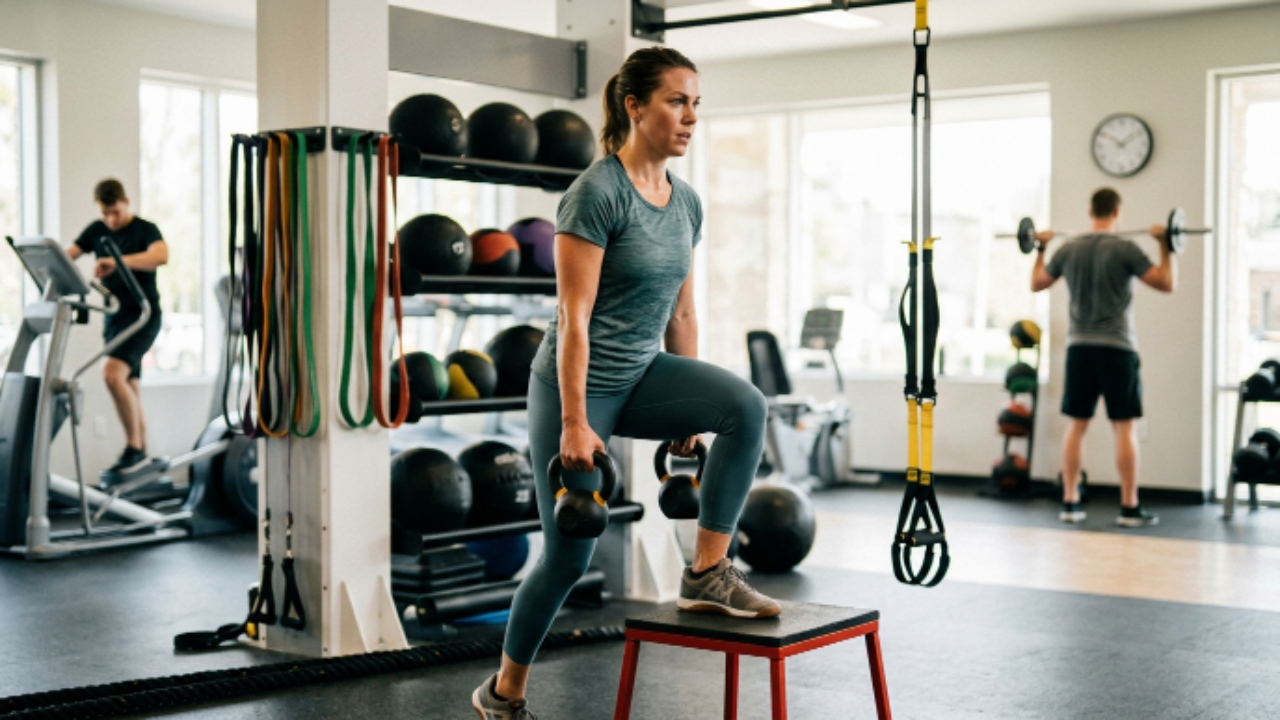
Mental engagement matters just as much as physical effort.
If you're checking the clock every few minutes or completing workouts on autopilot, your routine may have become too predictable.
Adding variety can improve motivation while introducing new movement patterns.
Consider incorporating:
New exercises
Different equipment
Circuit training
Athletic drills
Functional movements
8. Your Technique Never Gets Tested
Good technique should always come first.
However, if every exercise feels effortless and maintaining perfect form requires little concentration, you may not be challenging yourself enough.
Proper progression means working hard while maintaining safe movement mechanics.
The goal isn't sloppy lifting—it's controlled progression.
9. You're Not Sweating Like You Used To
Sweating alone isn't a perfect indicator of workout quality because it depends on genetics, temperature, and hydration.
However, if your workouts once elevated your breathing, increased perspiration, and left you feeling accomplished but no longer do, it may be another clue that your body has adapted.
Intensity matters more than sweat—but changes in both can be informative.
10. You Haven't Changed Your Program in Months
One of the most common causes of stalled fitness progress is following the exact same program indefinitely.
While consistency is essential, training programs should evolve.
A well-designed program gradually adjusts:
Volume
Intensity
Exercise selection
Tempo
Recovery
Training frequency
Many athletes benefit from modifying their training every 6–8 weeks depending on their goals.
What Is Progressive Overload?
Progressive overload is the gradual increase of training demands over time.
It doesn't simply mean lifting heavier weights.
You can apply progressive overload by increasing:
Weight
The most common approach.
Repetitions
Perform one or two additional reps while maintaining good form.
Sets
Increase total training volume.
Time Under Tension
Slow down the lowering phase of each movement.
Training Frequency
Add another workout session if recovery allows.
Exercise Difficulty
Progress from beginner movements to more advanced variations.
Small improvements performed consistently produce significant long-term results.
Why Your Body Stops Responding
The human body is designed to adapt.
When you repeatedly expose it to the same challenge, it becomes more efficient.
This adaptation is beneficial, but eventually, the challenge is no longer enough to stimulate further improvements.
That's why athletes continually adjust their training plans instead of repeating identical workouts year-round.
Ready to Break Through Your Workout Plateau?
If your workouts no longer challenge you, it's time for a smarter training plan. At Game Changing Performance, we create customized programs that use progressive overload, expert coaching, and performance tracking to keep you improving safely and consistently.
Schedule your consultation today and discover how personalized coaching can help you achieve your next fitness milestone.
How to Break Through a Workout Plateau
If you've recognized several of the signs above, don't worry.
Plateaus can often be overcome with a few strategic changes.
Increase Training Intensity
Gradually add weight, repetitions, or sets while maintaining proper technique.
Track Your Progress
Record:
Exercises
Sets
Repetitions
Weight used
Rest periods
Tracking provides objective evidence of improvement.
Focus on Recovery
More challenging workouts require better recovery.
Prioritize:
Sleep
Hydration
Nutrition
Mobility
Rest days
Recovery supports adaptation.
Add Variety
New movement patterns challenge muscles in different ways.
Rotate exercises without abandoning foundational movements like squats, presses, rows, and deadlifts.
Work With a Coach
One of the fastest ways to overcome a plateau is training with experienced professionals.
A coach can identify weaknesses, adjust programming, improve technique, and ensure you're progressing safely.
Common Mistakes When Increasing Workout Difficulty
Progression should be gradual.
Avoid these mistakes:
Increasing Weight Too Quickly
Large jumps increase injury risk.
Ignoring Recovery
More work requires more recovery—not less.
Sacrificing Form
Poor technique limits progress and increases injury risk.
Always prioritize movement quality.
Comparing Yourself to Others
Your progress should be measured against your previous performance—not someone else's.
Everyone progresses at a different pace.
How Often Should You Change Your Workout?

There's no universal timeline, but most people benefit from reviewing their training every 6–8 weeks.
Changes don't always require replacing every exercise.
Often, small adjustments are enough:
Increase resistance
Add another set
Change rep ranges
Reduce rest time
Introduce new accessory movements
Adjust training frequency
Strategic progression produces better long-term results than constant random changes.
Consistency Still Matters
While challenging yourself is essential, remember that the goal isn't to make every workout harder than the last.
Progress occurs through a balance of:
Progressive overload
Proper recovery
Good nutrition
Consistent attendance
Smart coaching
The best training programs gradually increase difficulty while allowing your body enough time to adapt.
Keep Challenging Your Potential
If your workouts feel easy, your progress has stalled, or you're losing motivation, it may be time to rethink your training strategy.
At Game Changing Performance, our coaches design personalized training programs that evolve as you improve. Whether your goal is building strength, improving athletic performance, losing weight, or enhancing overall fitness, we help ensure every workout moves you closer to your goals.
The right program doesn't just make you work harder, helps you work smarter.
Frequently Asked Questions
What causes a workout plateau?
A workout plateau typically happens when your body adapts to your current routine, and the exercises no longer provide enough challenge to stimulate improvement.
What is progressive overload?
Progressive overload is the gradual increase of training demands—such as weight, repetitions, sets, or intensity to encourage continued strength and fitness gains.
How often should I change my workout routine?
Most people benefit from evaluating and adjusting their training every 6–8 weeks, though small progressions can happen weekly.
Is it bad if my workout feels easy?
Not necessarily. Recovery workouts should feel easier. However, if every workout feels effortless and your progress has stalled, it's likely time to increase the challenge.
Can I break through a plateau without lifting heavier weights?
Yes. You can increase repetitions, sets, time under tension, workout intensity, or exercise complexity while maintaining proper form.
Should beginners use progressive overload?
Absolutely. Beginners often make rapid improvements, but gradual progression is still the safest and most effective way to continue building strength and confidence.